
 POWRÓT
In the entry below, I would like to bring the idea of photographing in the light that is invisible to the human eye. In this case I mean infrared light - more precisely "close infrared". CHAPTERS: 1. SIGMA SD14 2. CANON 7D 3. OPEN HEART SURGERY 4. IR PICTURES CANON 5. PICTURES BEFORE, PICTURES AFTER 6. SIGMA SD14 VS CANON 7D 7. FILTER REMOVAL AND COLOR PHOTOGRAPHY 8. GALLERY Perhaps you've seen before photos of trees, which were white, sky was dark, and if there were people, they looked gostly - with a light complexion, visible veins and eyes that can not be overlooked? This is how the world looks like captured on film or camera sensor with reflected infrared light.
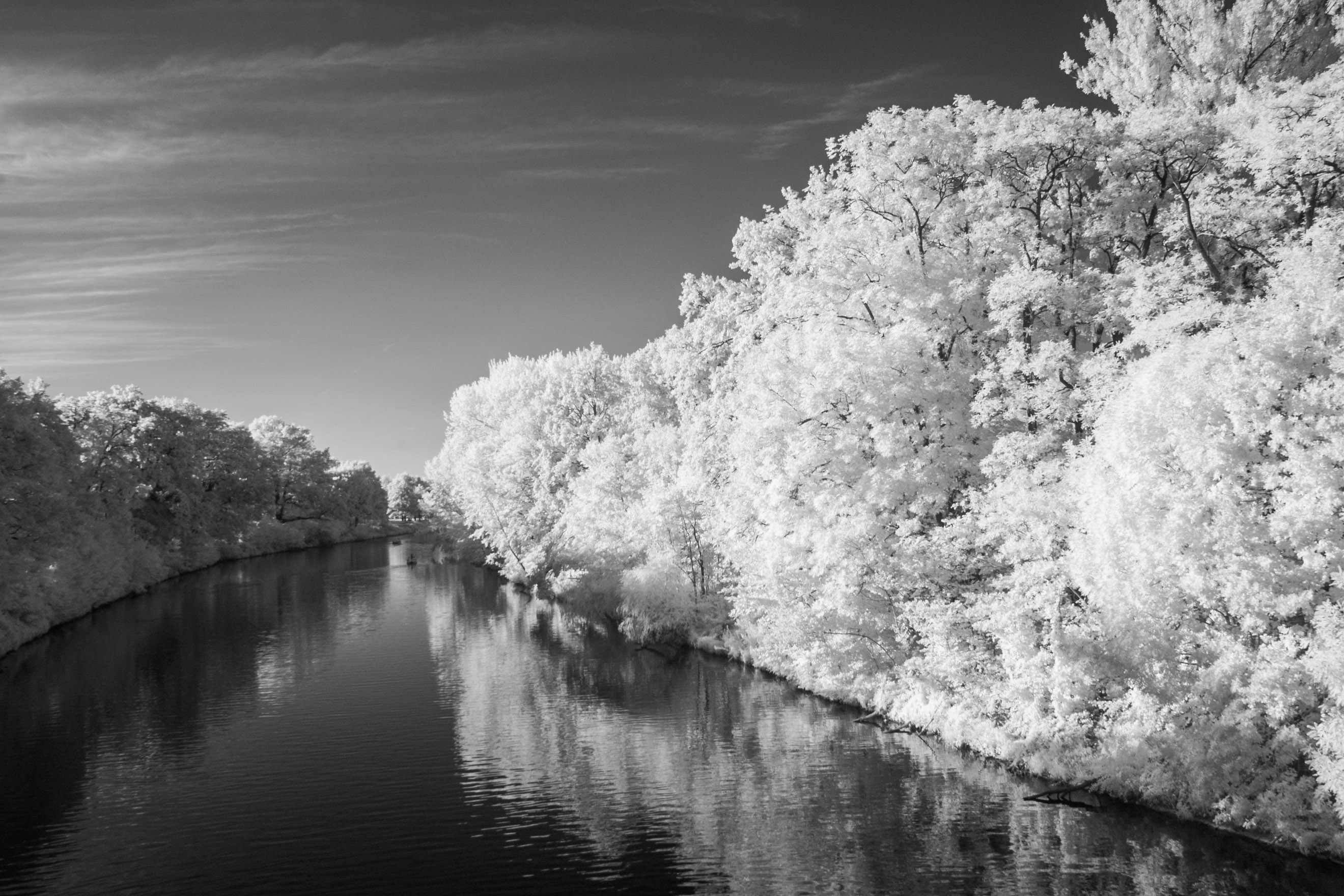 1/160 sec F8 ISO 100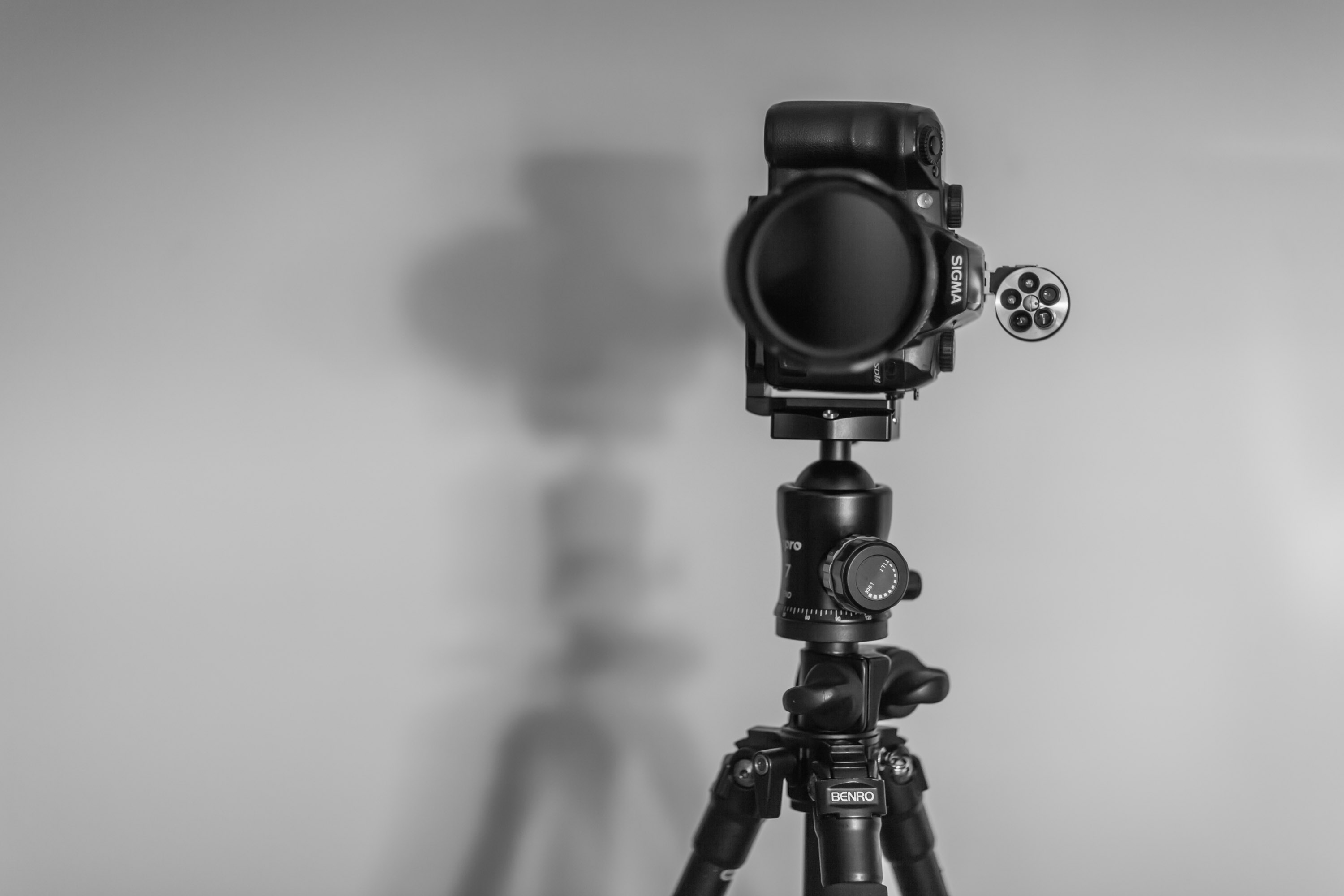
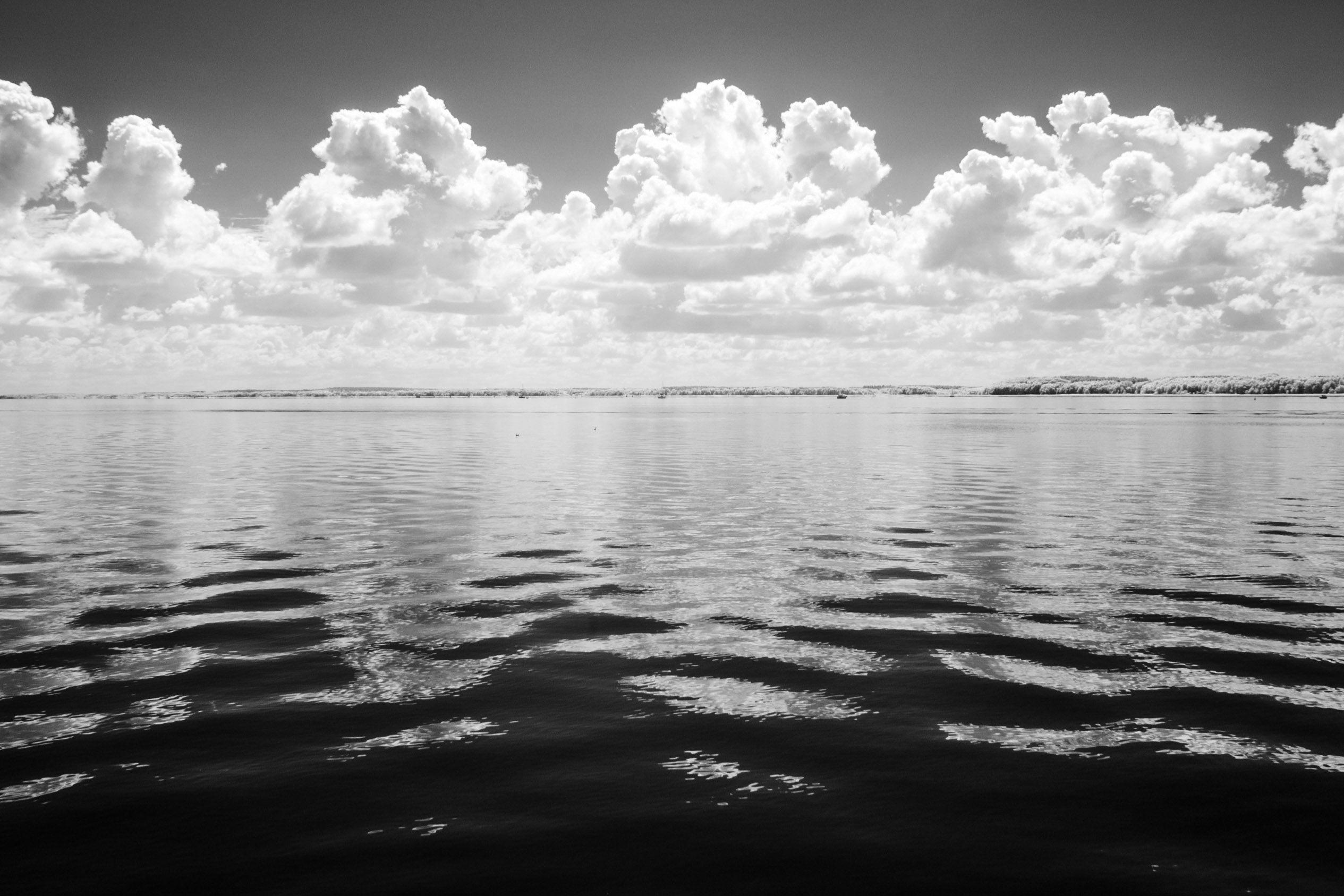 1/200 sec F10 ISO 100
 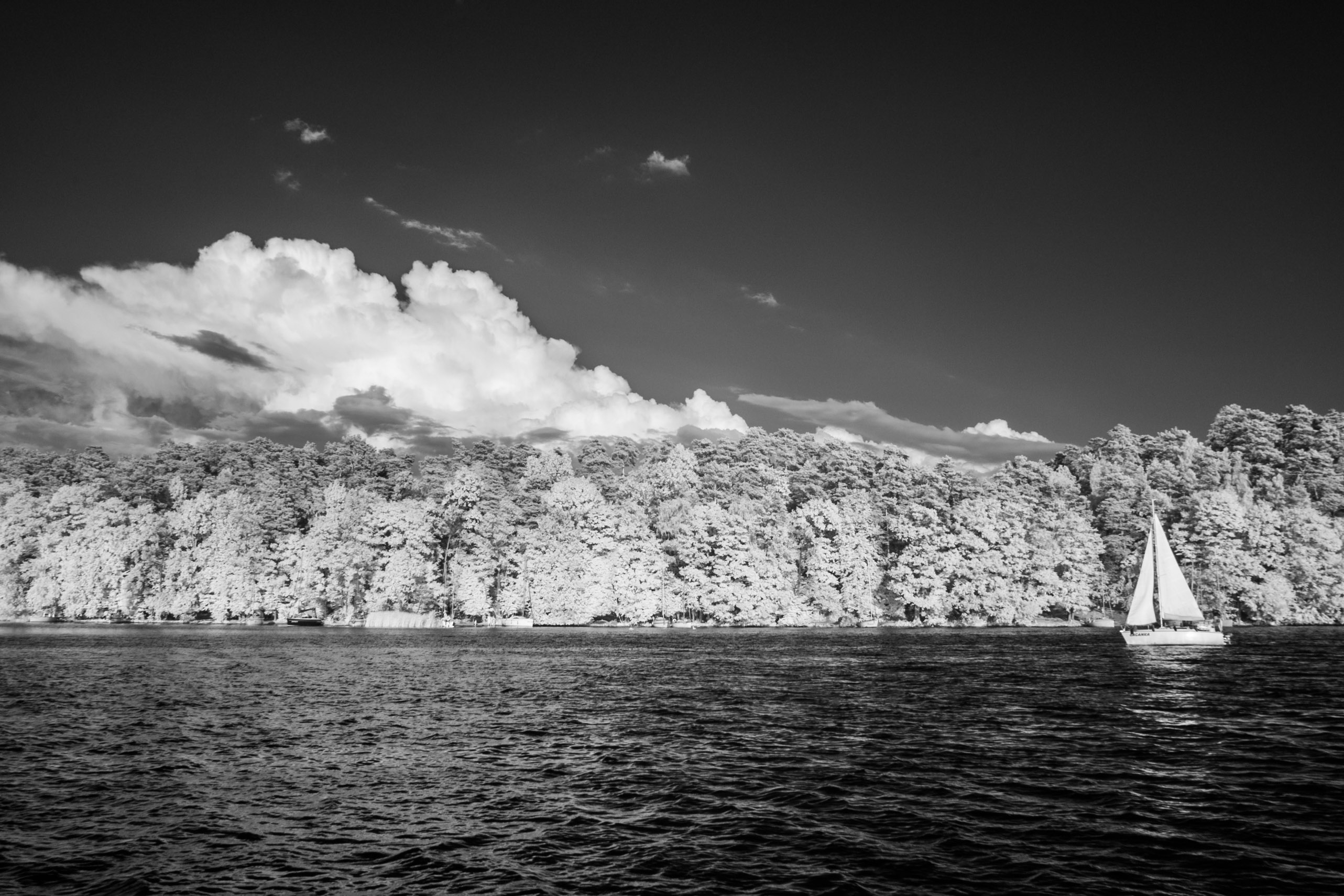 1/160 sec F9 ISO 100
 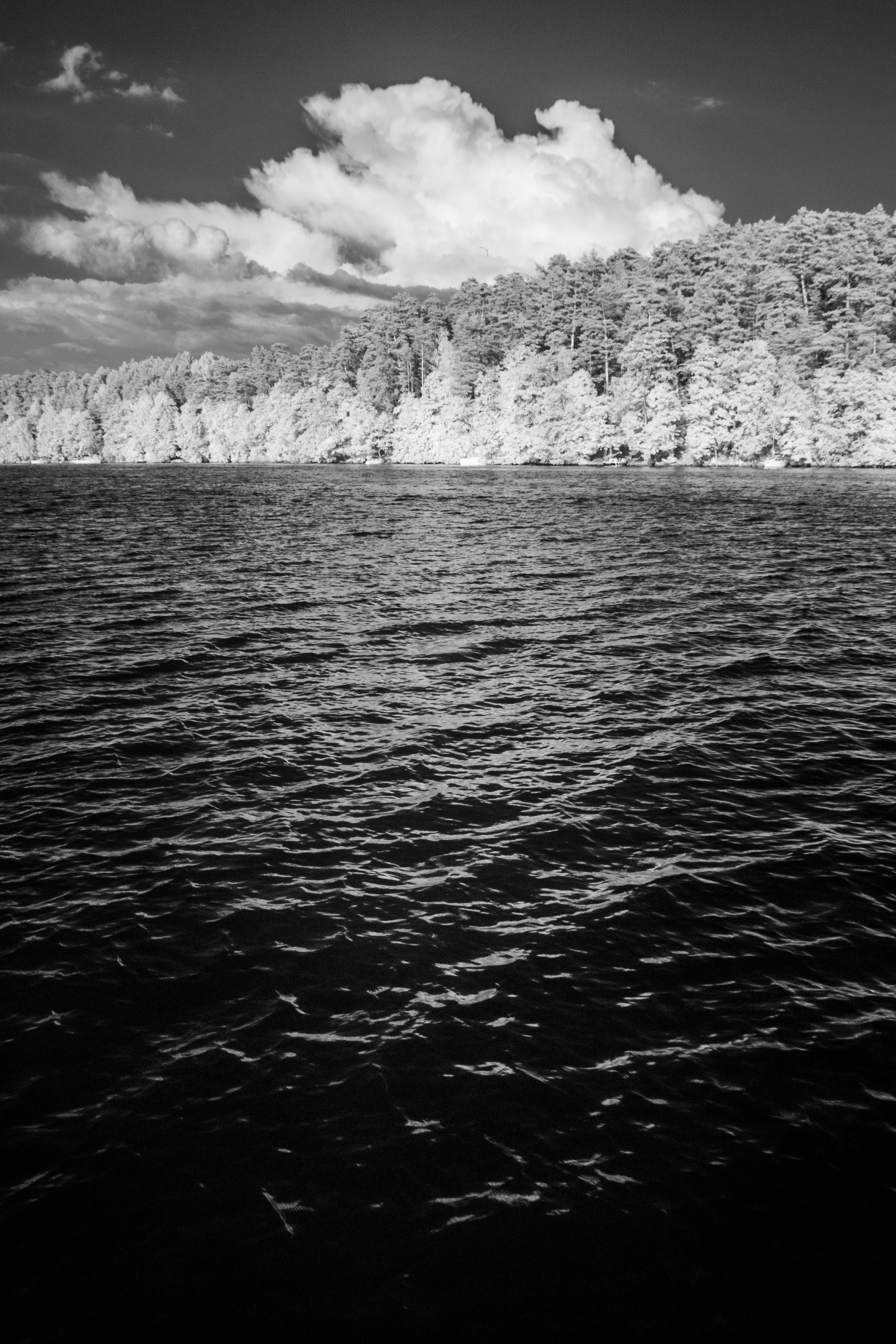 1/200 sec F9 ISO 100
 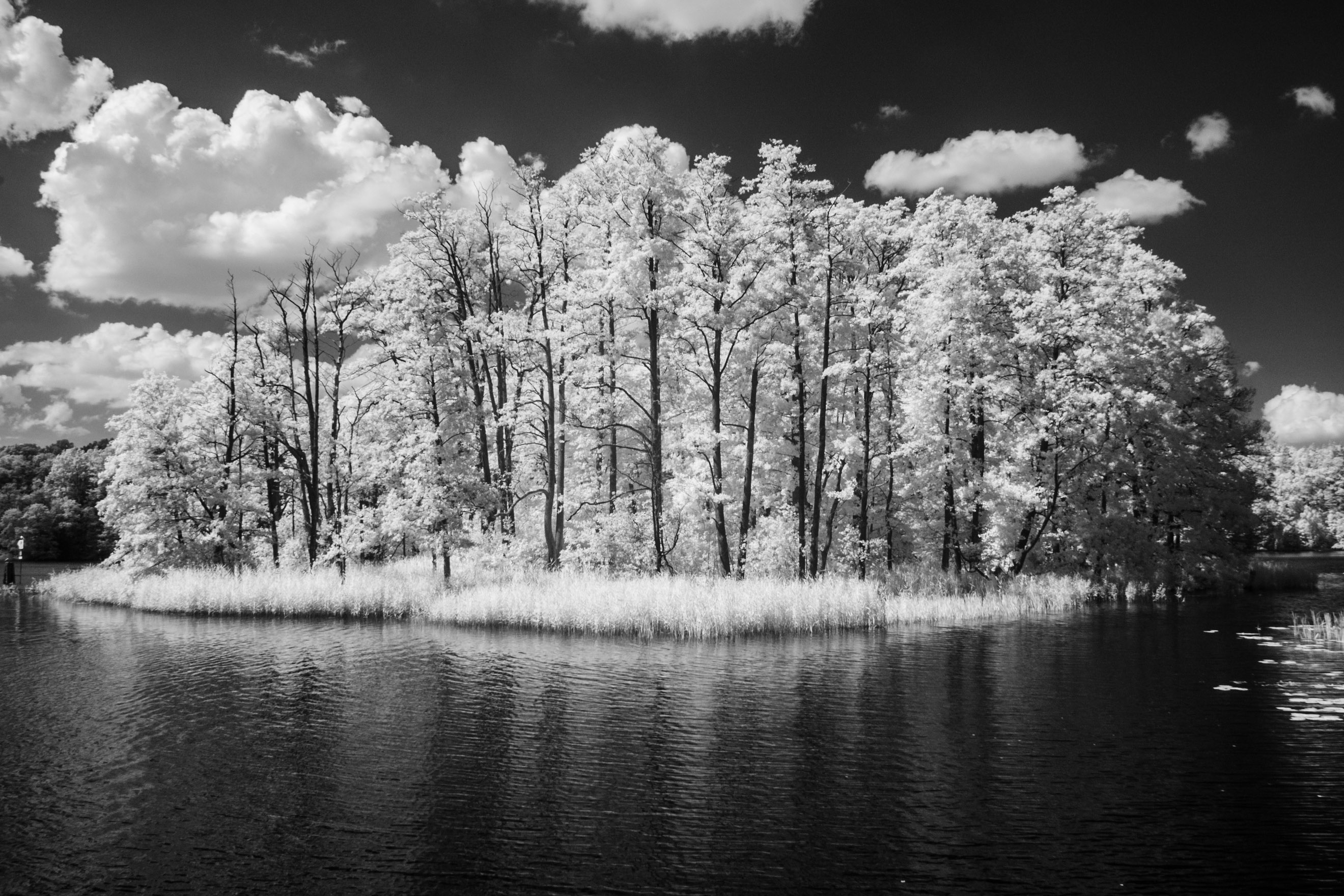 1/200 sec F10 ISO 100
 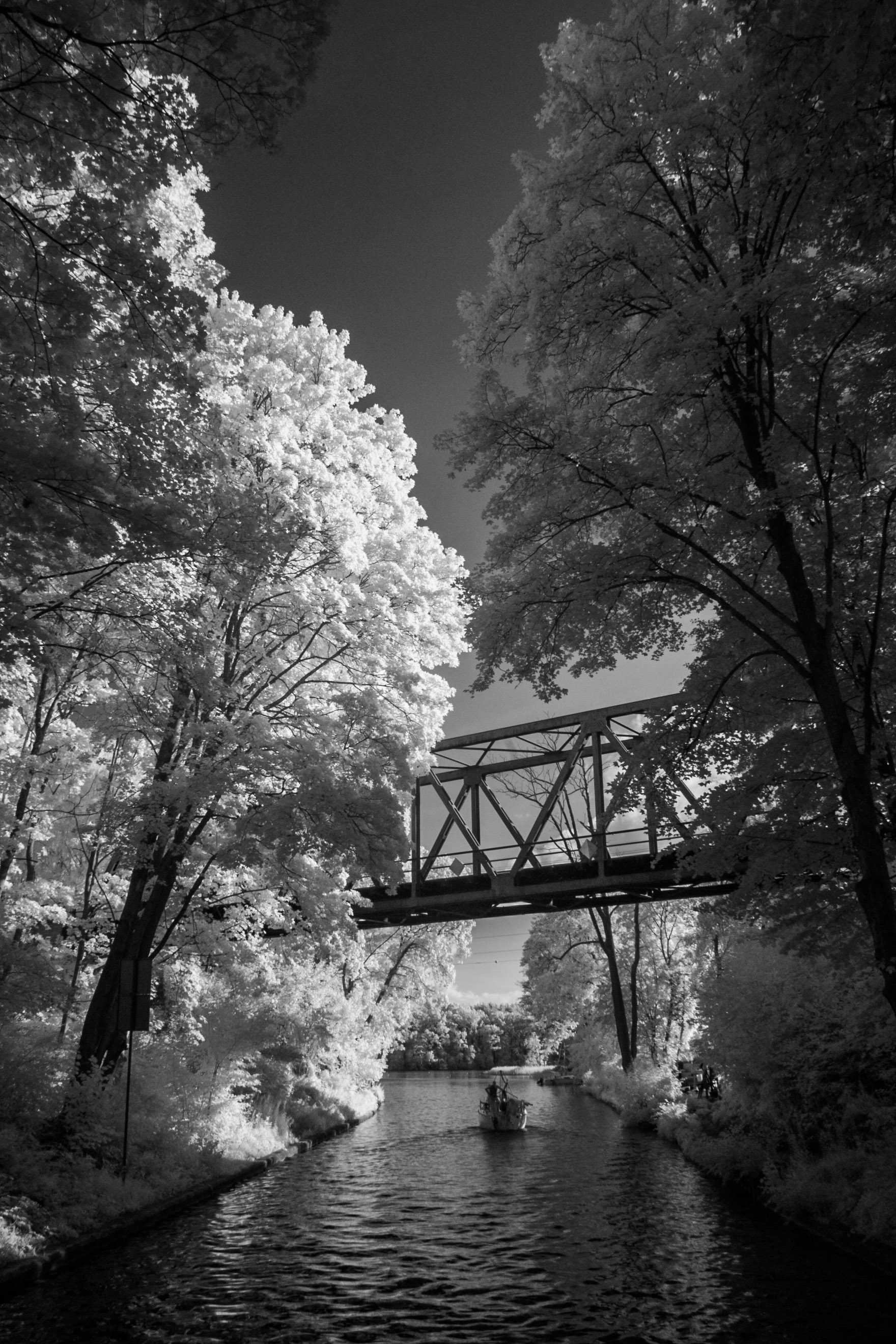 1/200 sec F10 ISO 100
 Unfortunately, like any other solution, it has its disadvantages. The camera is already old and doesn't have a live view function, which unfortunately forced me to use an external revolver viewfinder to frame. With normal shooting, you could conveniently use the built-in viewfinder based on a prism, as in a classic SLR. But disadvantage of infrared photography is fact that the filter attached to lens blocks visible light not only for sensor, but through the mirror system and a prism also for human eye. Unfortunately, the external viewfinder made it very difficult for me to work through its small dimensions and moved me back to the times when we had to deal with parallax error - taking place in dual-lens reflex cameras and rangefinders and all other cameras where eye has see shifted image relative to the lens. It was bothering especially at close distances such as portraits, but also in photos in medium distance between portrait and landscape. Of course, normally you can apply appropriate correction on the mentioned viewfinder, but it was scaled for a relatively compact, film rangefinder camera called FED, and not for a large reflex camera, which actually did not help much anyway.
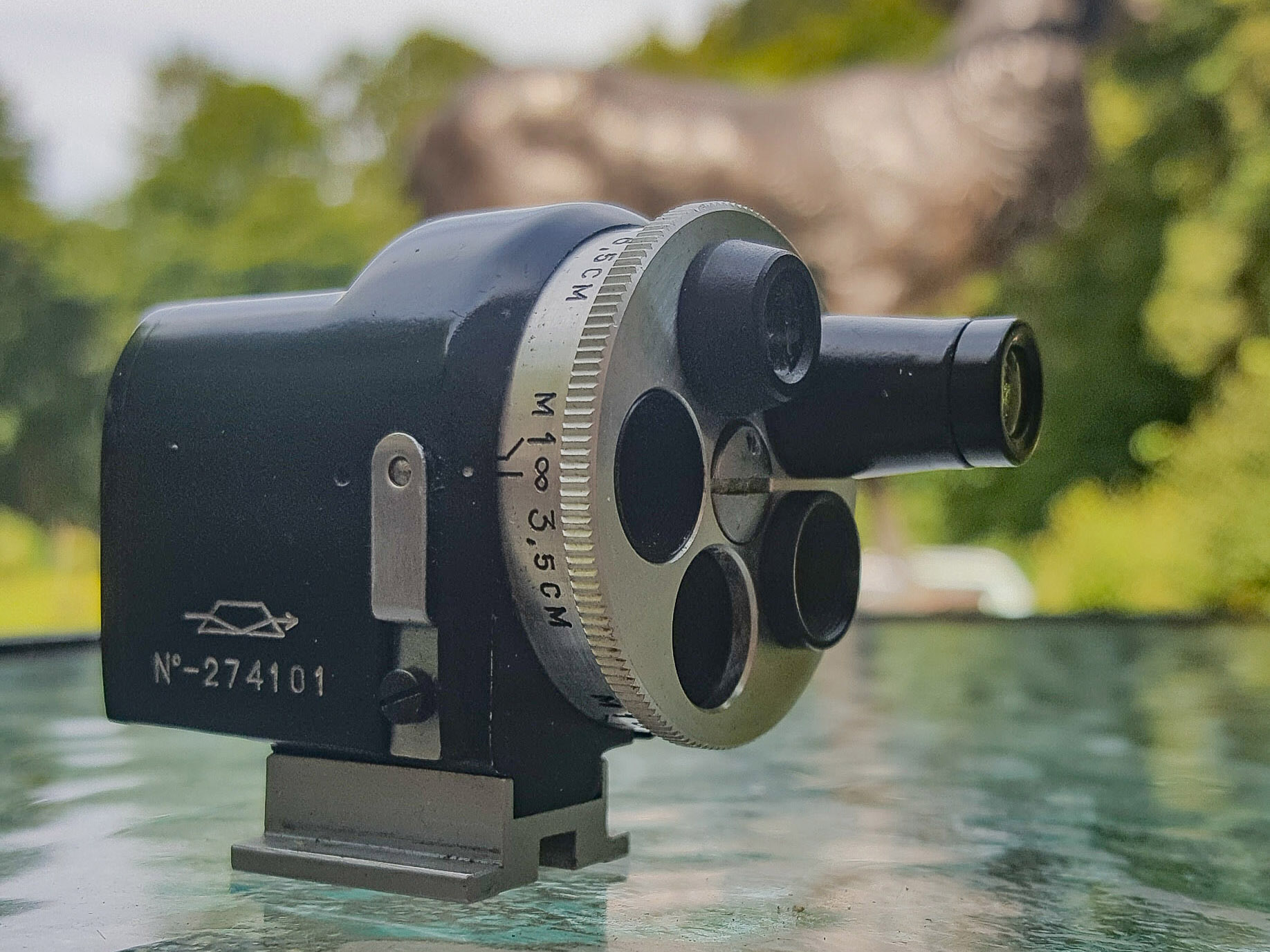 Viewfinder from the FED camera (which was slid into the foot on top of camera)
It ended up so that I stopped using the viewfinder at all and basing on my experience and intuition, I was shooting 'blindly', which turned out to be much more accurate than fighing those disadvantages, especially in the more dynamic situations.
In addition, the Sigma cameras, in particular the slow SD14 model was making taking pictures cumbersome and greatly limiting fun and creativity.
I would like to add that I work mainly on the optics based on the Canon EF mount, which unfortunately can not be easily installed on the Sigma bayonet (SA). I read that the Canon's bayonet can be uneasly attached to Sigma cameras. In addition the electronics is based on similar instructions, and contacts of lenses are in the identical places, so even the autofocus or iris control can be done directly from the camera. But I didn't decide to such interference.
To sum up - why did I finally decide to sell Sigma camera - is fact that photographs were characterized by moderate dynamic range, but above all low color range - final image was monochromatic and only such photos could be received. This is not a problem if we would like to have black and white or pictures in sepia, but if we would like to have some colors, it was not possible. In addition, the truth is that Sigma cameras from that time allowed us to use sensitivity up to 200-400 ISO, which makes it very difficult to work on dynamic scenes. Also the image resolution consisting just over 4 million pixels is very disappointing. It is enough for small printouts and a small cropping, and is equivalent to more or less than 8-12 million pixels in a classic camera (depending on the scene being photographed).
CANON 7D
Viewfinder from the FED camera (which was slid into the foot on top of camera)
It ended up so that I stopped using the viewfinder at all and basing on my experience and intuition, I was shooting 'blindly', which turned out to be much more accurate than fighing those disadvantages, especially in the more dynamic situations.
In addition, the Sigma cameras, in particular the slow SD14 model was making taking pictures cumbersome and greatly limiting fun and creativity.
I would like to add that I work mainly on the optics based on the Canon EF mount, which unfortunately can not be easily installed on the Sigma bayonet (SA). I read that the Canon's bayonet can be uneasly attached to Sigma cameras. In addition the electronics is based on similar instructions, and contacts of lenses are in the identical places, so even the autofocus or iris control can be done directly from the camera. But I didn't decide to such interference.
To sum up - why did I finally decide to sell Sigma camera - is fact that photographs were characterized by moderate dynamic range, but above all low color range - final image was monochromatic and only such photos could be received. This is not a problem if we would like to have black and white or pictures in sepia, but if we would like to have some colors, it was not possible. In addition, the truth is that Sigma cameras from that time allowed us to use sensitivity up to 200-400 ISO, which makes it very difficult to work on dynamic scenes. Also the image resolution consisting just over 4 million pixels is very disappointing. It is enough for small printouts and a small cropping, and is equivalent to more or less than 8-12 million pixels in a classic camera (depending on the scene being photographed).
CANON 7D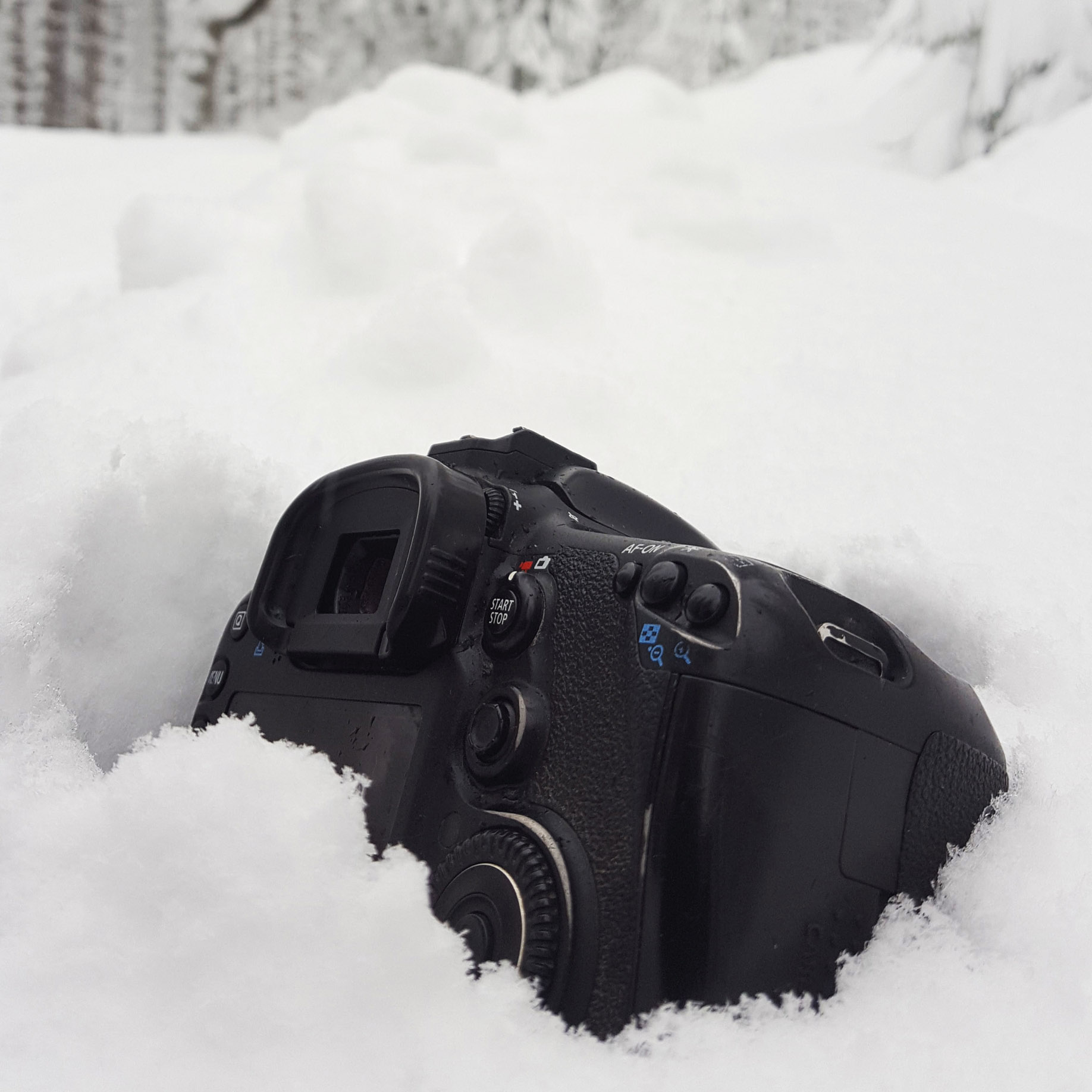
The weather was difficult, it rained a lot, but thanks to our vigorous helmsmans (thanks to Ariel and Ydaś) and whole crew holding wet ropes, in one of the first days I could leave the deck and start with the camera. Nika and Tomasz, with their cameras, followed mine every move, for which I'm very thankful!
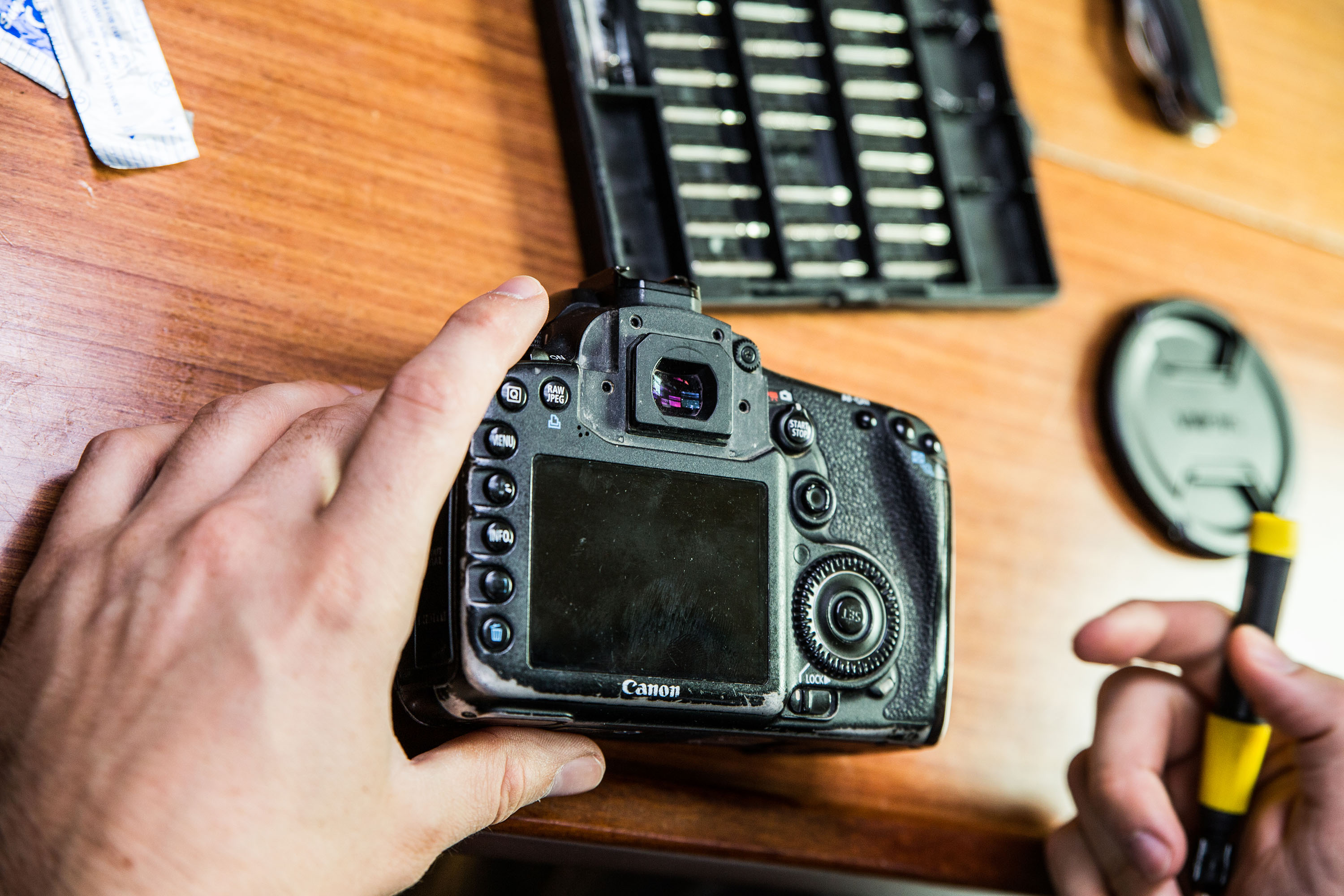
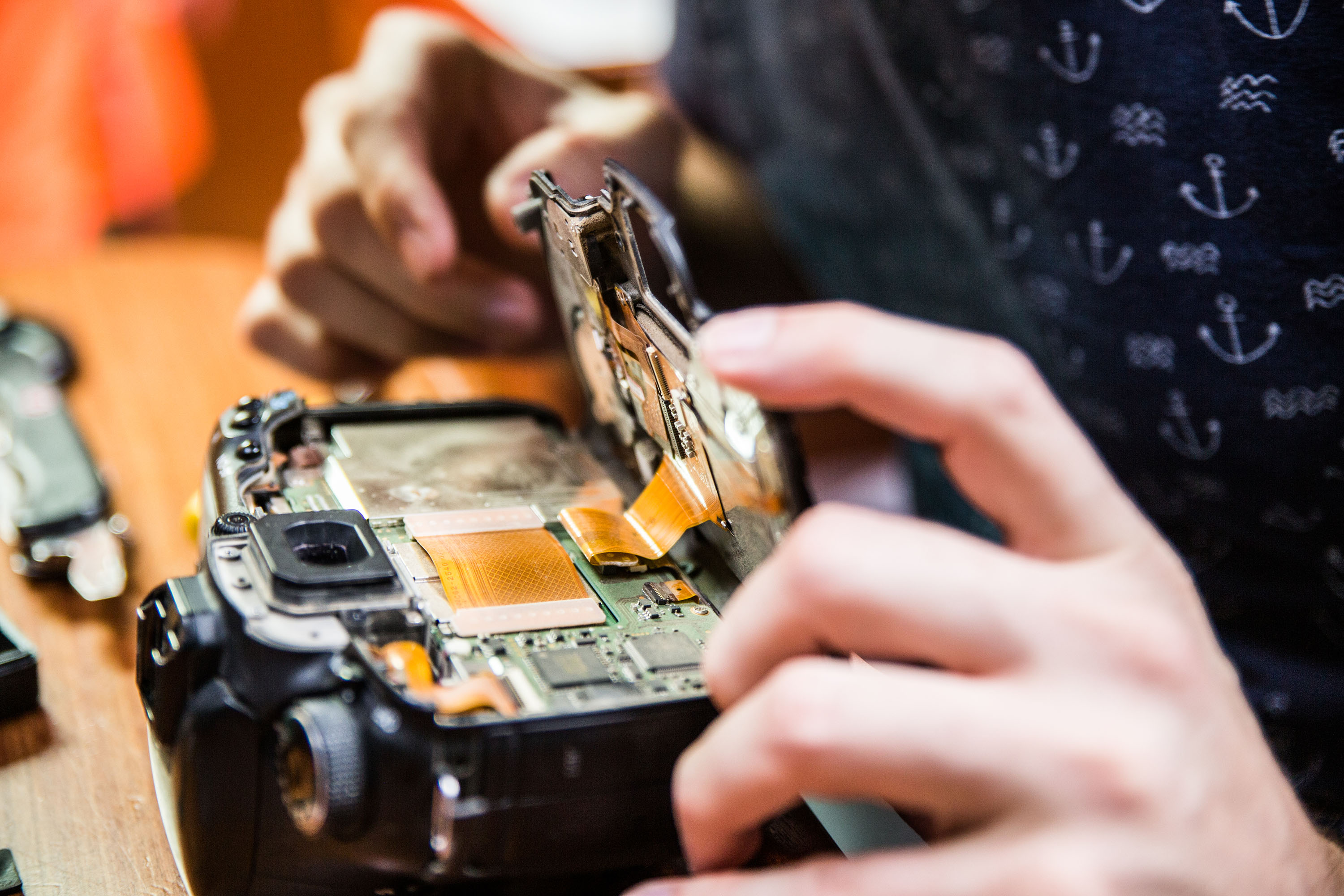 Below I am adjusting the photo-video switch, thanks to which I could record some movies (I will upload them later):
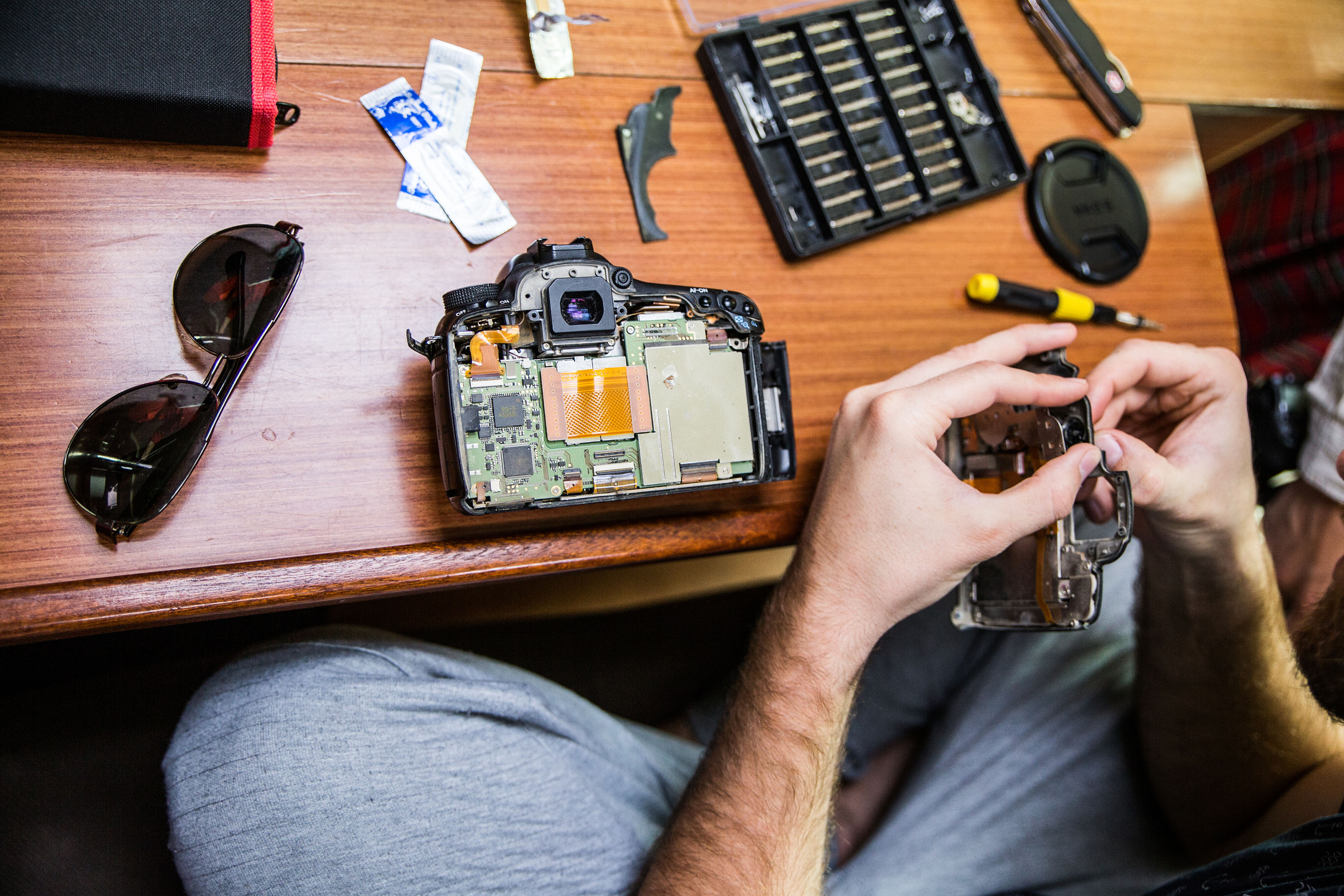
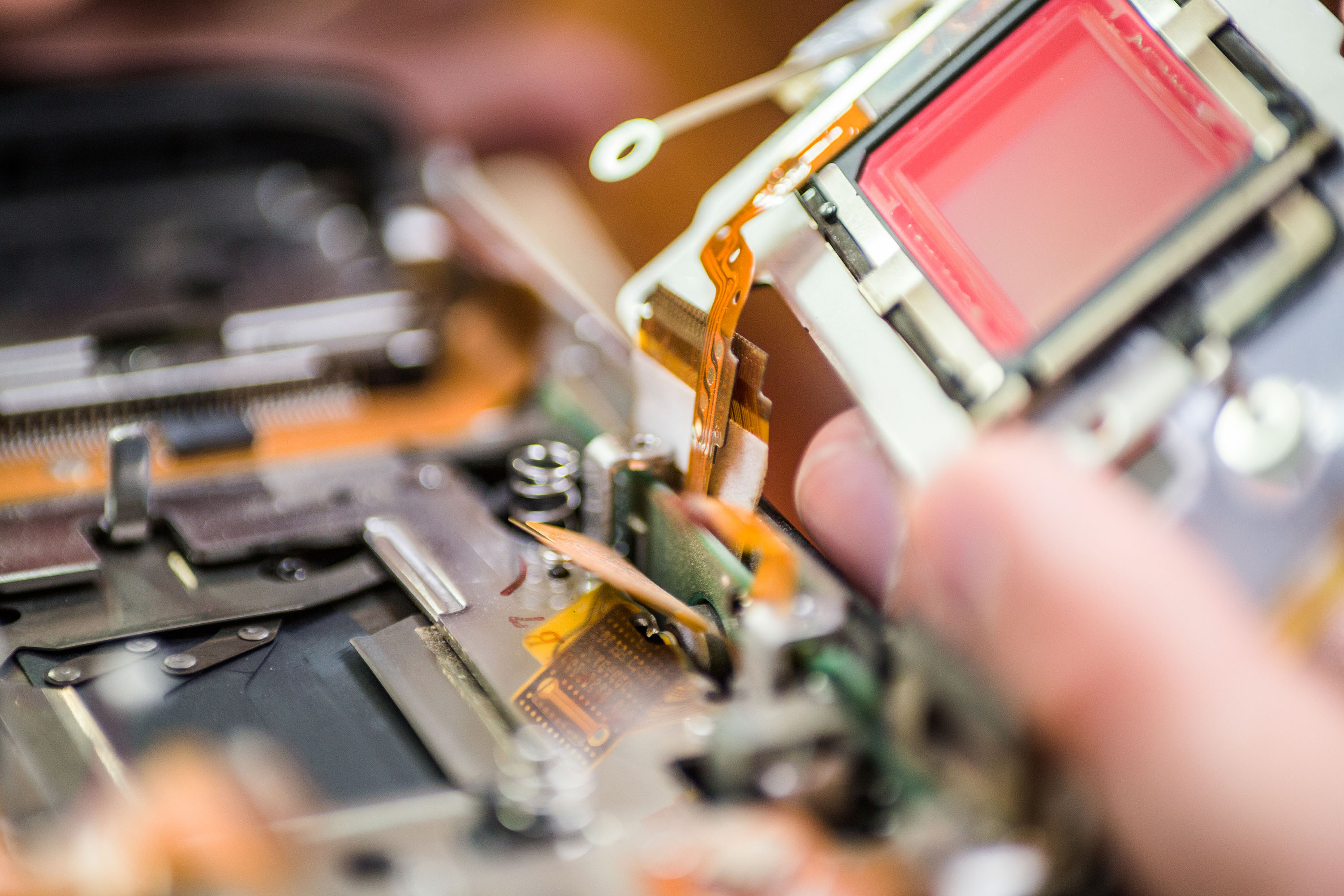
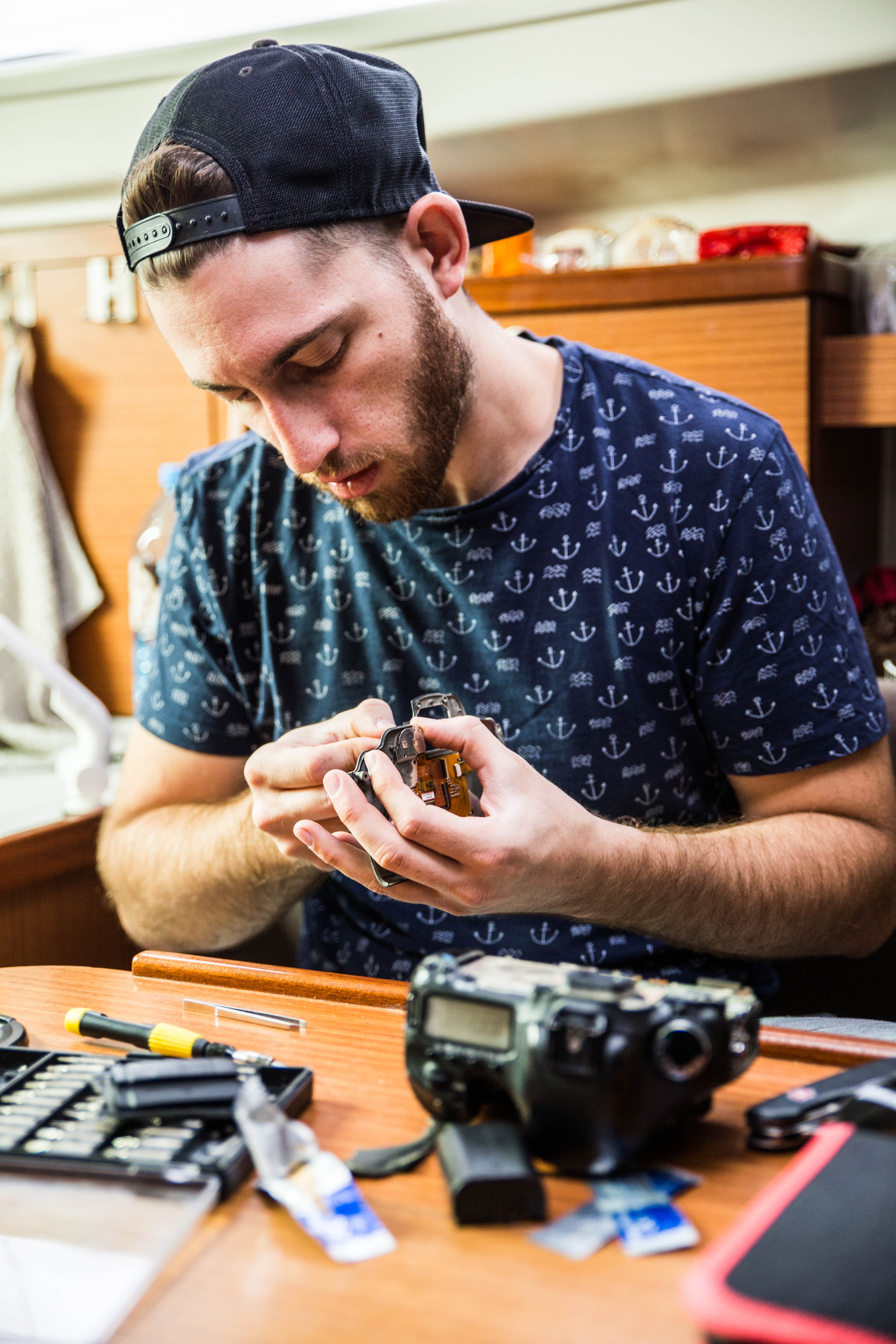 You have to admit that the sight of all these guts fills you with anxiety? On the left in focus there is a shutter and on the right the sensor module with visible external hydrophobic layer with function of ultrasonic vibrations to remove dust. Finally below there is a filter that I will be removing and on the very bottom the RGB sensor:
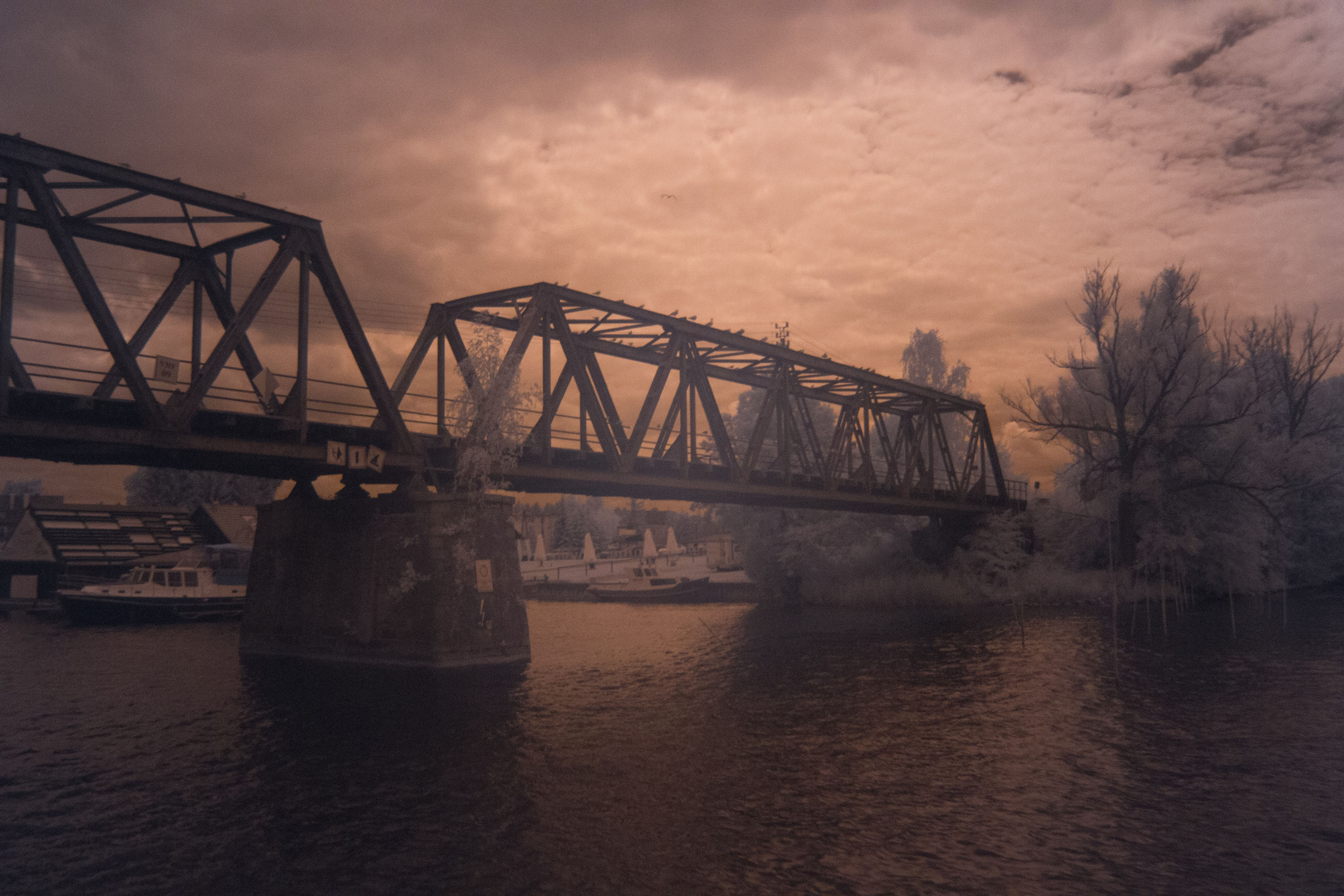 1/40 sec F3.5 ISO 2500
 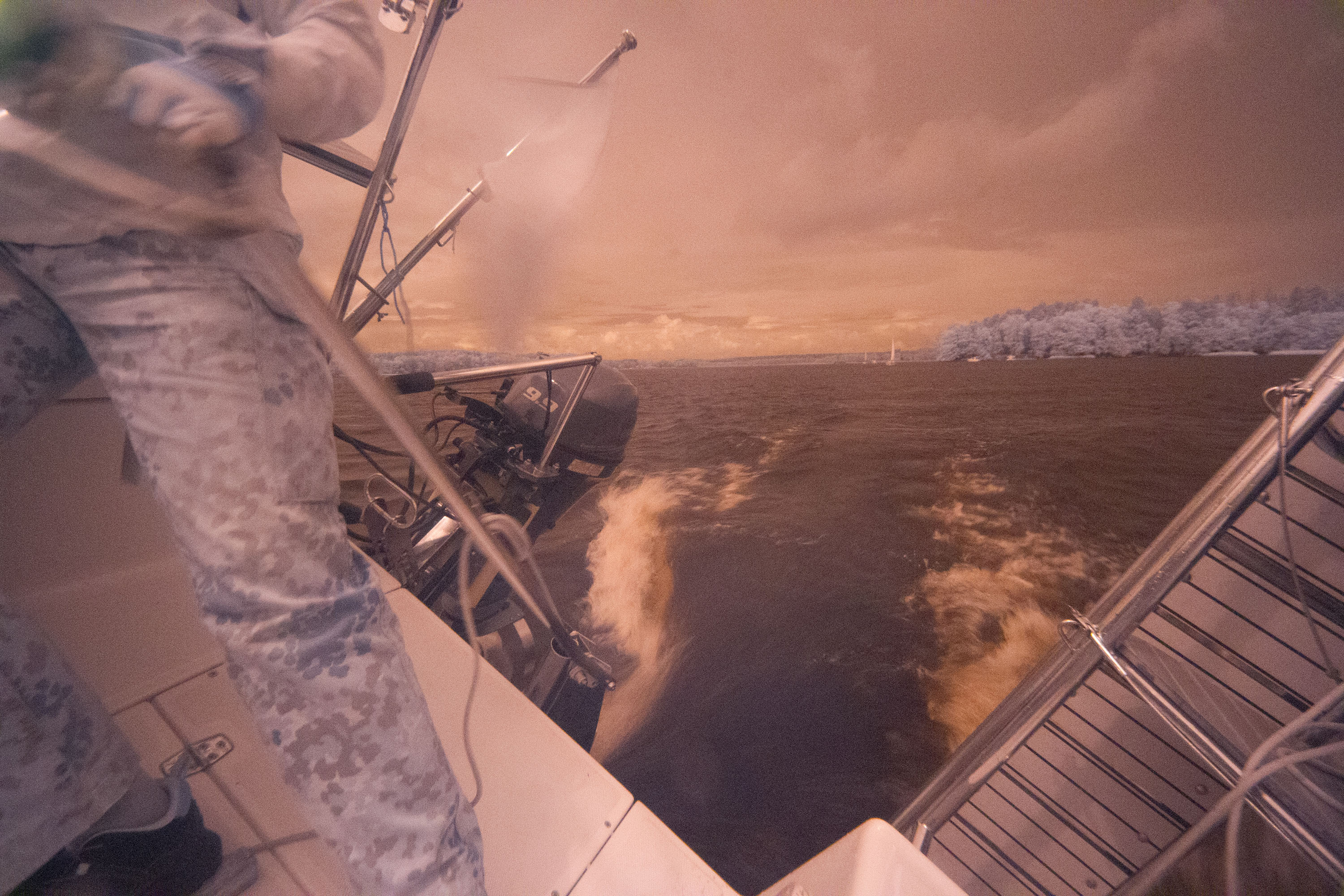 1/15 sec F5.6 ISO 5000
 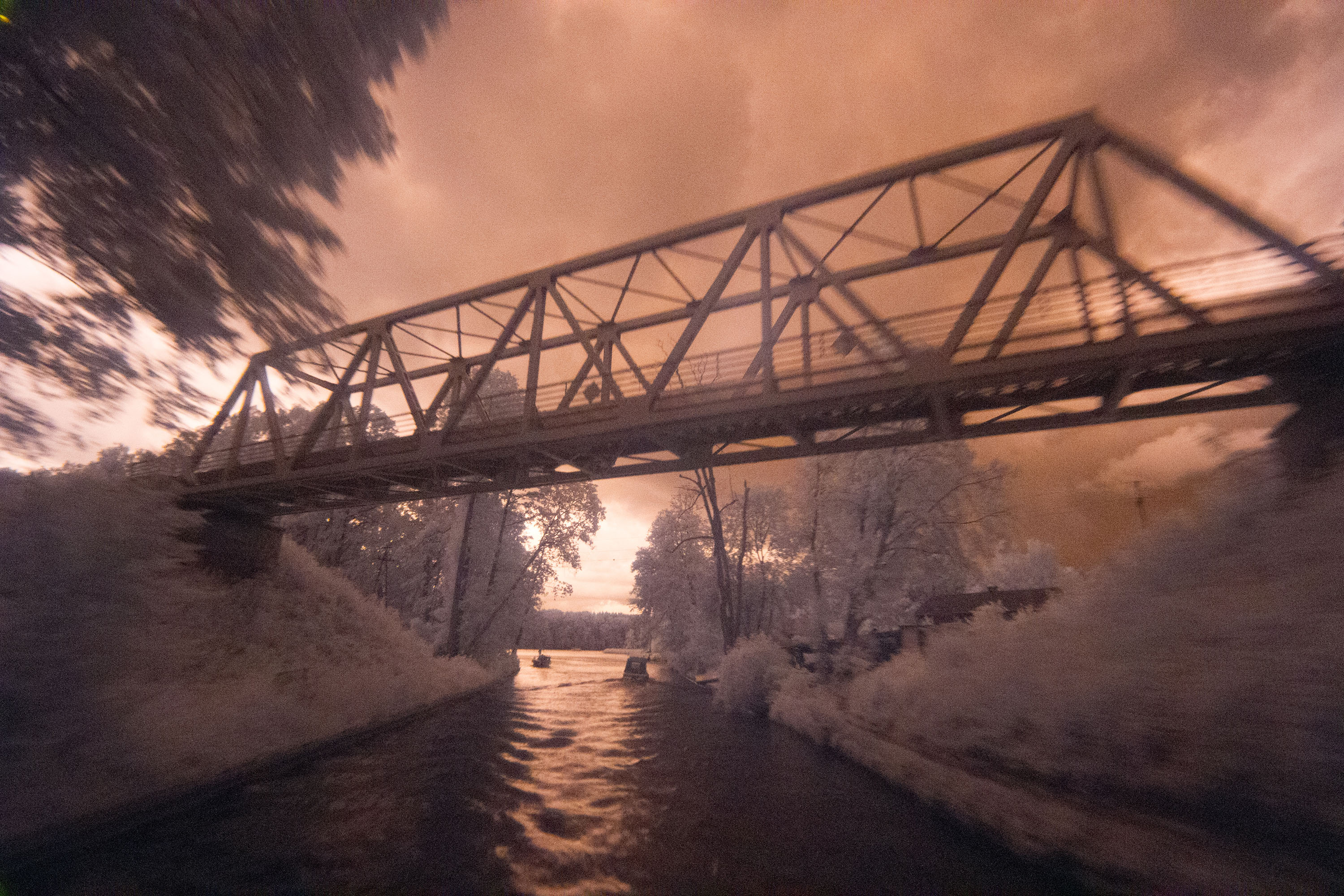 1/4 sec F5.6 ISO 6400
 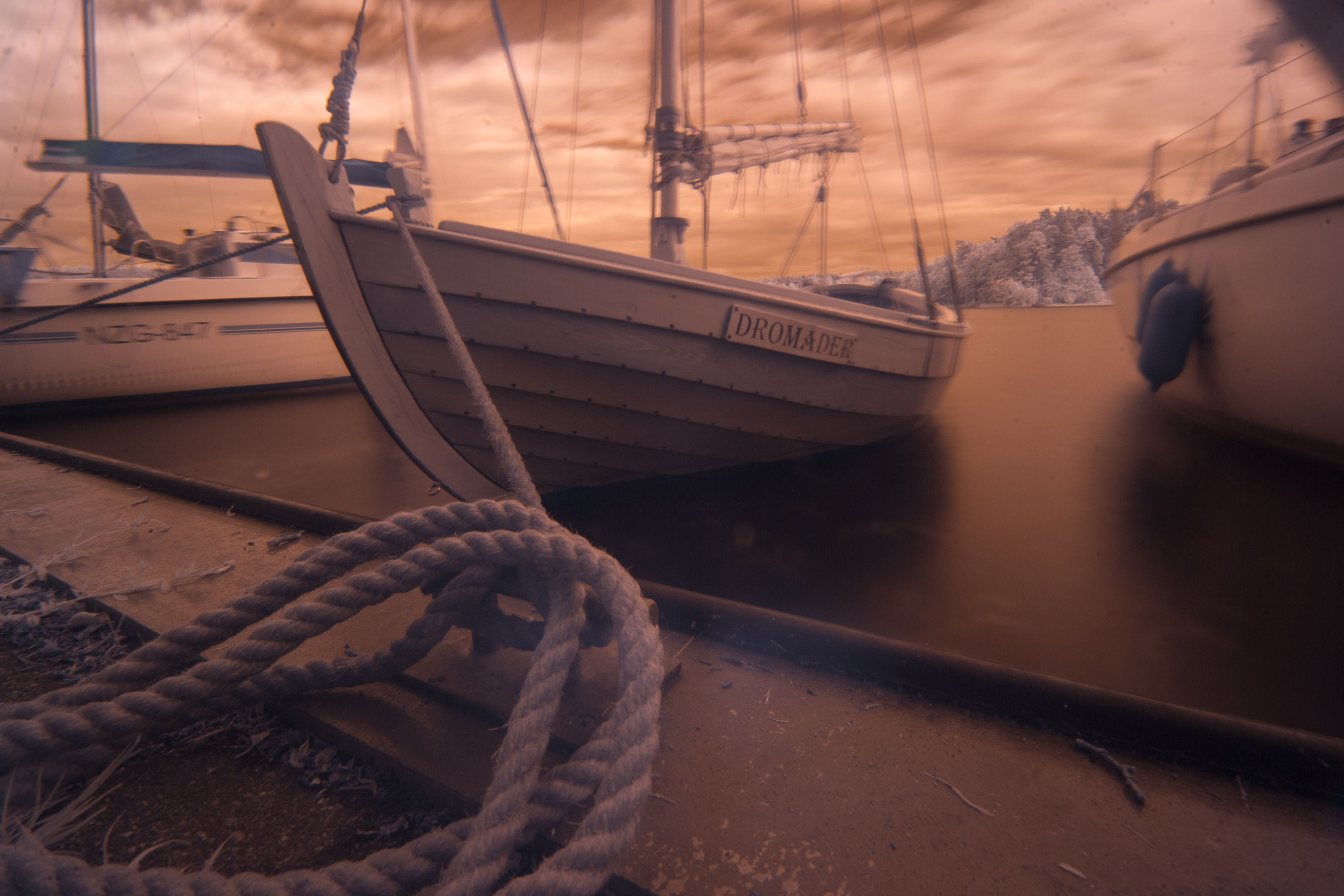 30 sec F11 ISO 100
  8 sec F9 ISO 100
 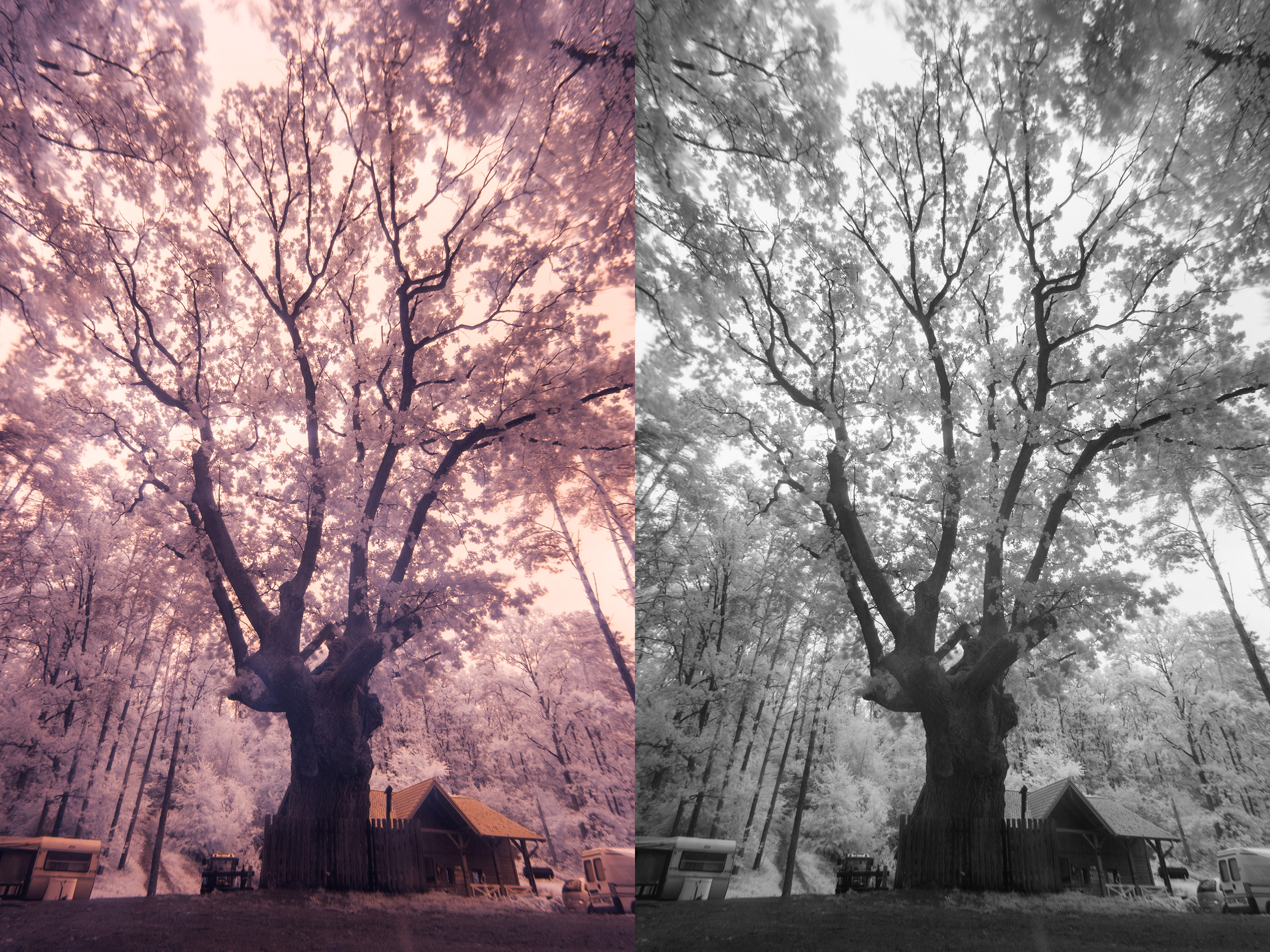 30 sec F10 ISO 100
 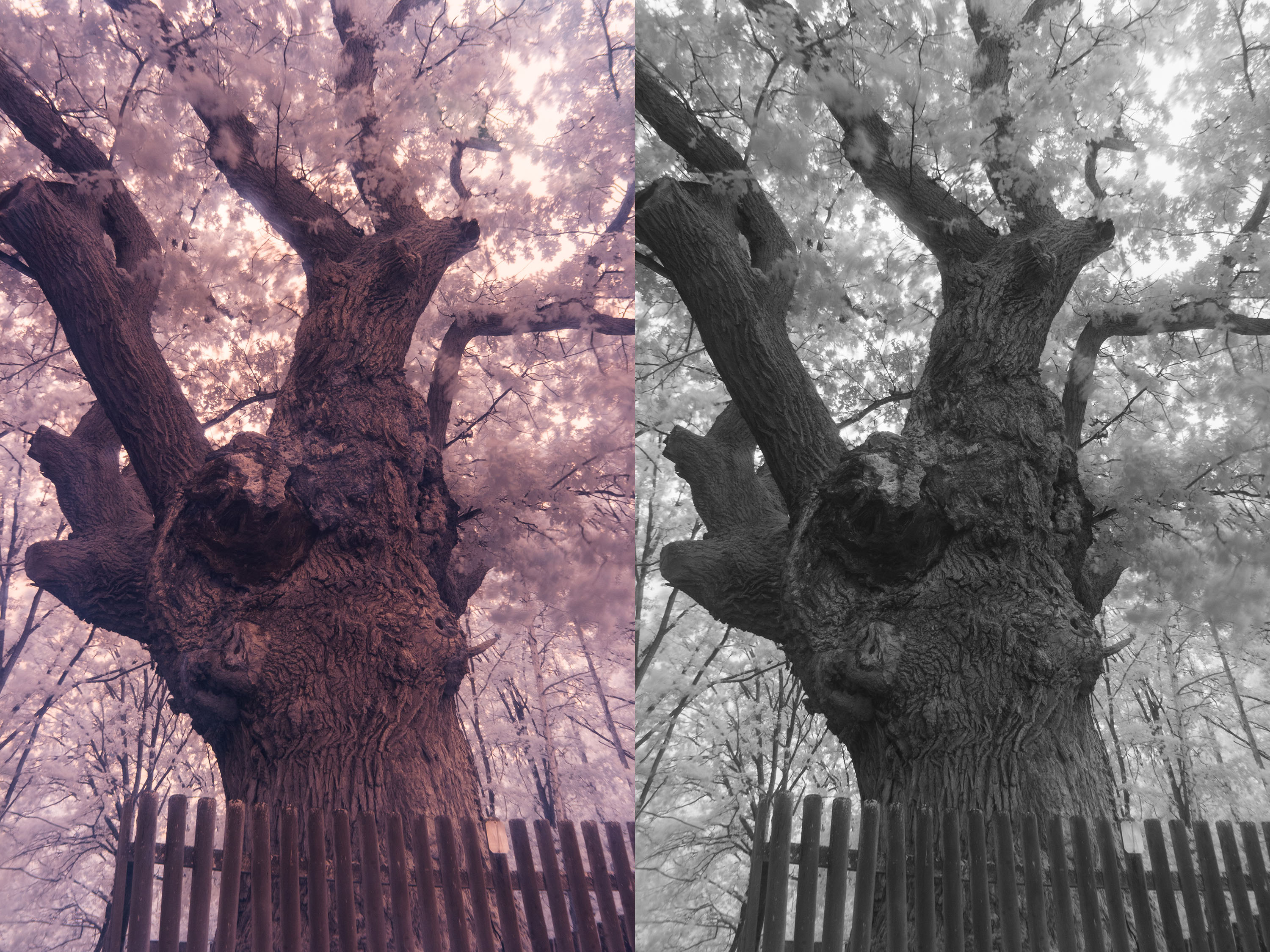 30 sec F10 ISO 100
 The original raw files look like below - infrared is fluttering between pink, purple and violet. From these tones you can get other effects:
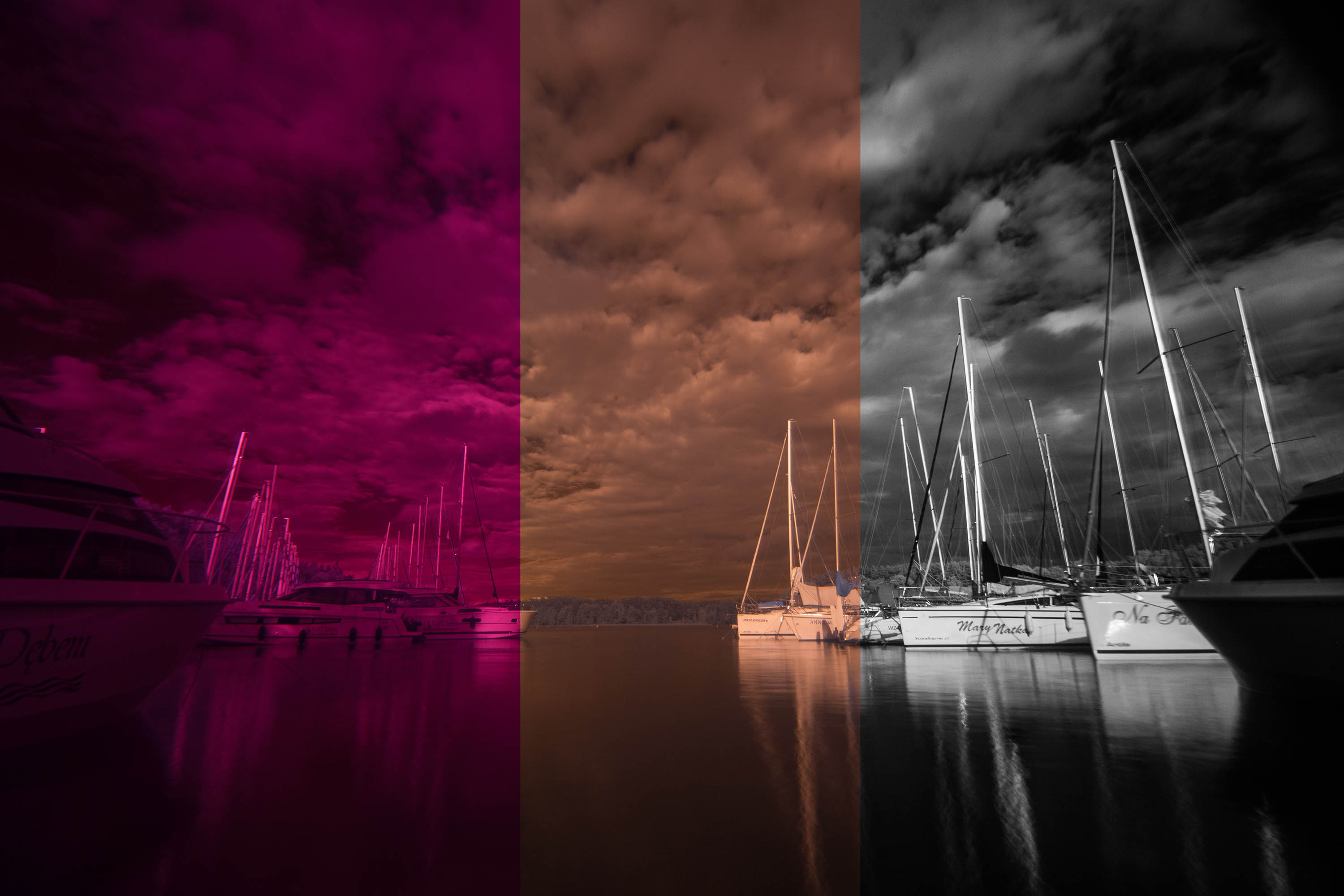 3.2 sec F8 ISO 100
 As it always happens, there are no perfect things, same here: from the Sigma we have pictures with excellent contrast and sharpness at low ISO, and the Canon gives us ease of use, preview during framing and interesting colors. It is difficult for me to say clearly what is better and it seems to me that it can not be unambiguously determined. It turns out that both cameras are used to create different effects of infrared photography and both give visually very interesting images. A big disadvantage is the fact that the Canon sensor is way less sensitive to infrared light than the Sigma one. From my calculations for photos taken in the sun it is around 9EV (!!!!!), which is sometimes an obstacle not to overcome. This is a difference in exposure time of about 600 times if we leave the remaining parameters unchanged. So if we take a picture with the Sigma for 1 second, then with the Canon we would need 10 minutes to obtain same exposure. This is probably related to primary color filters with different IR cutoffs - apparently the Sigma had an outer filter cutting deeper infrared, which is easy to disassemble, whereas in the Canon this range is included in the primary color filter (RGB). I think that in the future when prices of newer models from Sigma will drop to price of my 7D I will buy another camera with the Foveon sensor, because its predatory specificity of images attracts me like a magnet. FILTER REMOVAL AND COLOR PHOTOGRAPHY
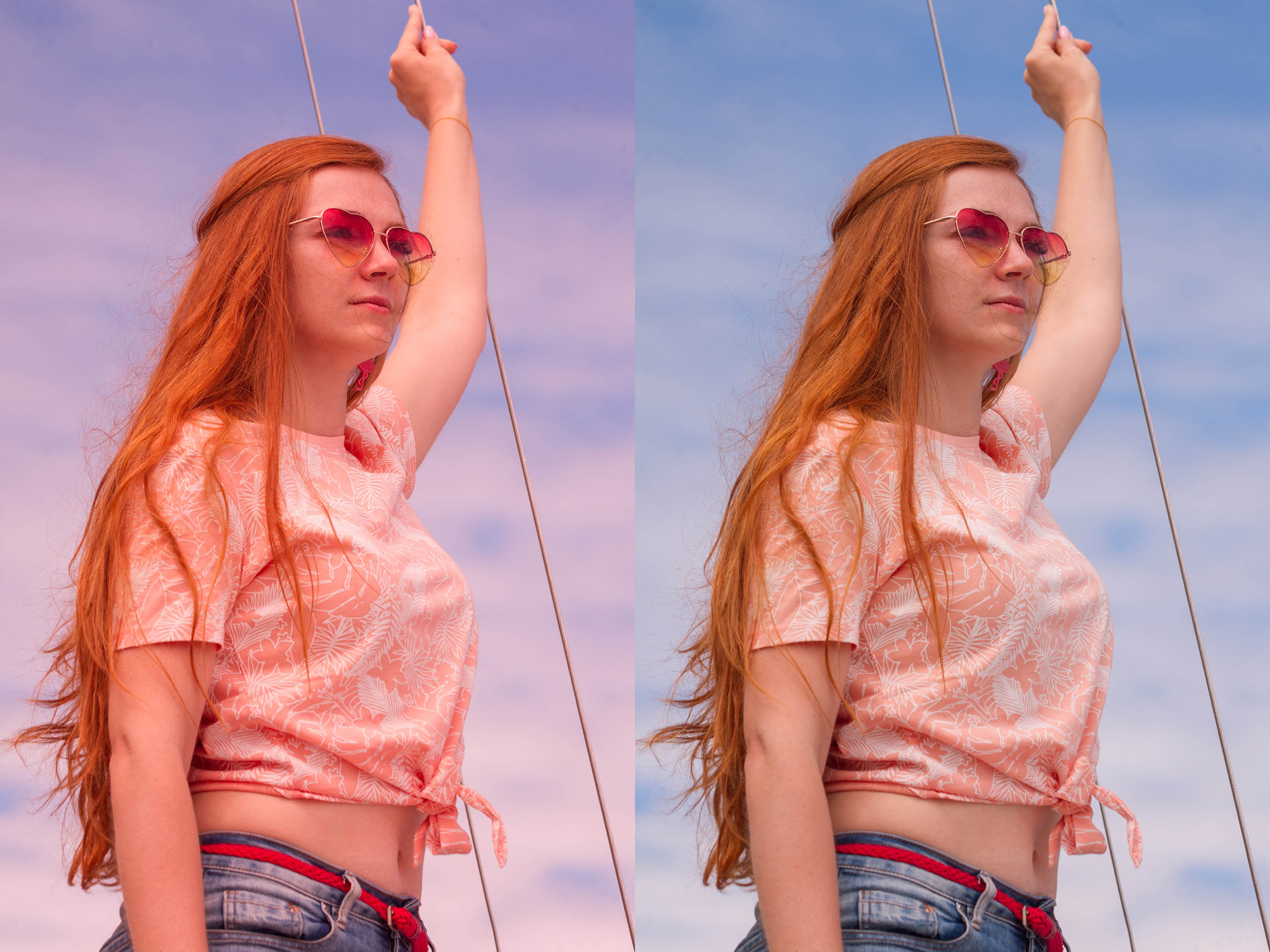
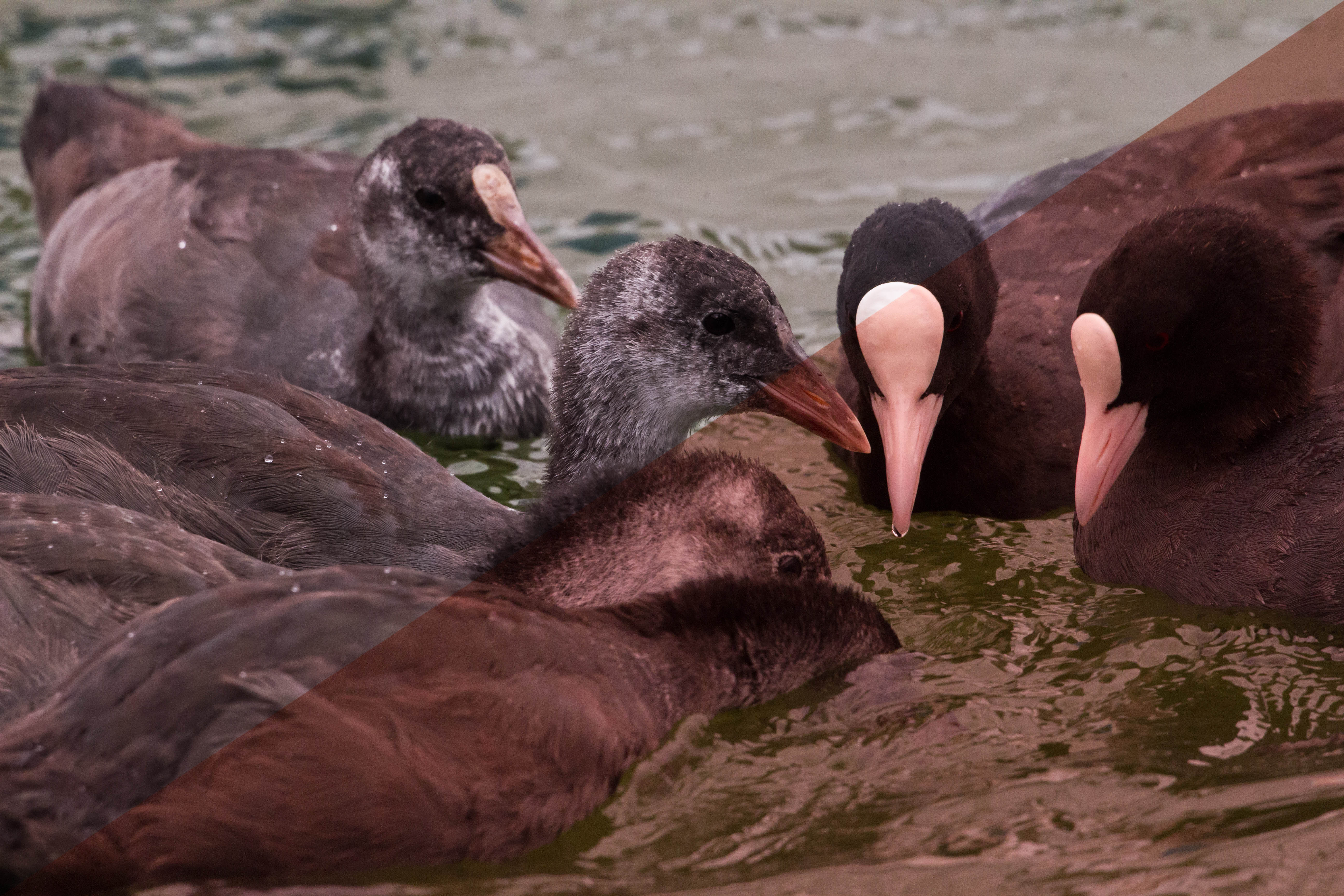
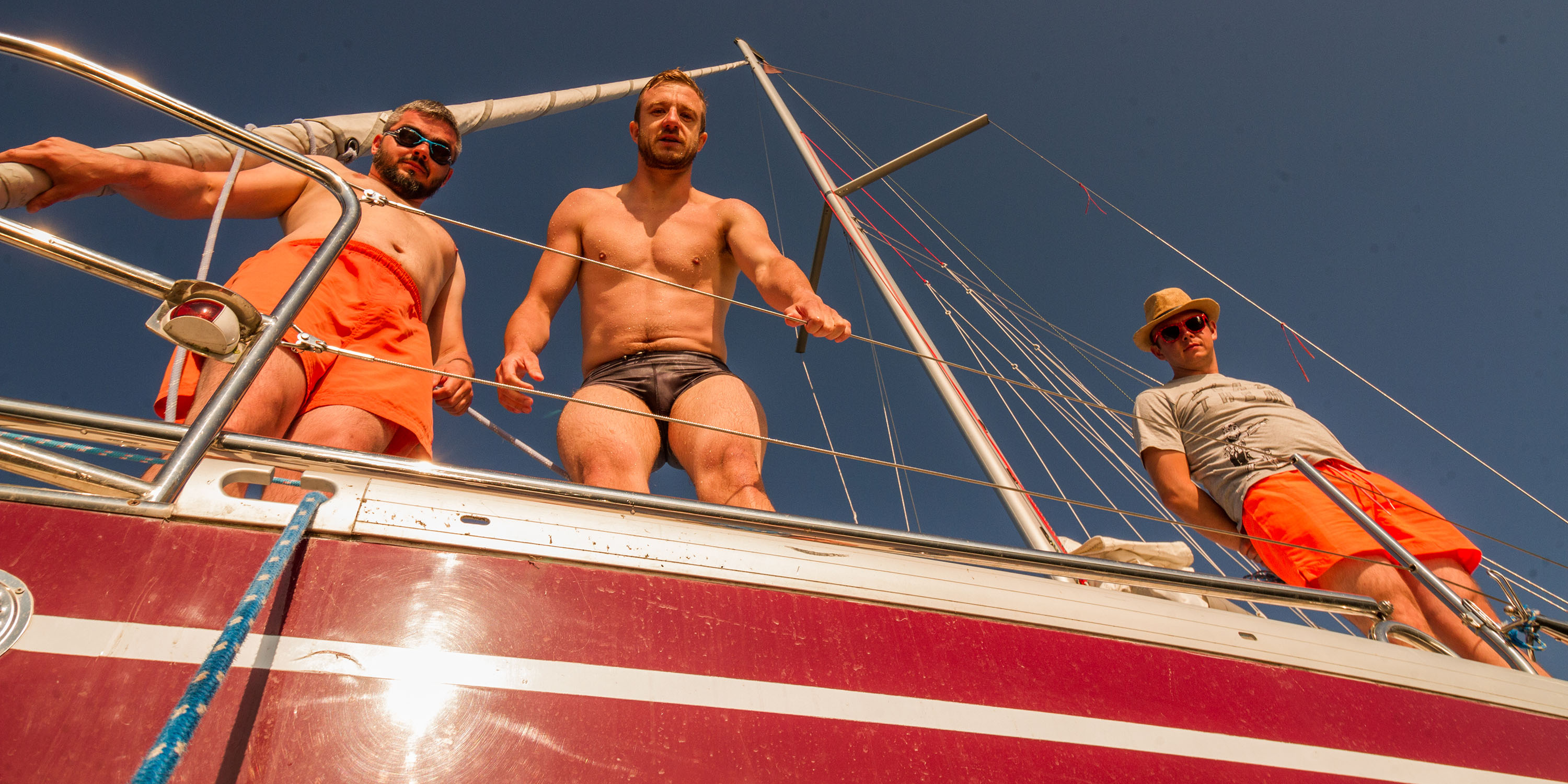
It seems that if we remove the filter that was installed in the factory, camera will be irreparably damaged and it will not be possible to take normal pictures. In fact, there is some truth in this, because in specific conditions, there may be unpredictable exposure shifts of some parts of image and color shifts towards the pink / purple. And in the first case, unfortunately, we are not able to do anything to get rid of this defect in 100%. However, in the second one, where the problem is not so visible, it will be enough to make simple corrections during the image processing (or directly in the camera, if we photograph in JPG format) and everything looks normal. Also in monochromatic light like LED lamps we won't have any problems at all.
Maybe sometimes colors will not be perfect like from the factory, but looking with an eye of a photographer who has been taking pictures for over 10 years, I can say it doesn't matter. Companies such as Canon / Nikon / Sony / Sigma have color deviations in relation to each other, and even different generations of cameras from the same manufacturer, so do we have to worry about it? Well... Final effect matters - after all, colors of photos conquering the internet often have nothing to do with reality :)
GALLERY:
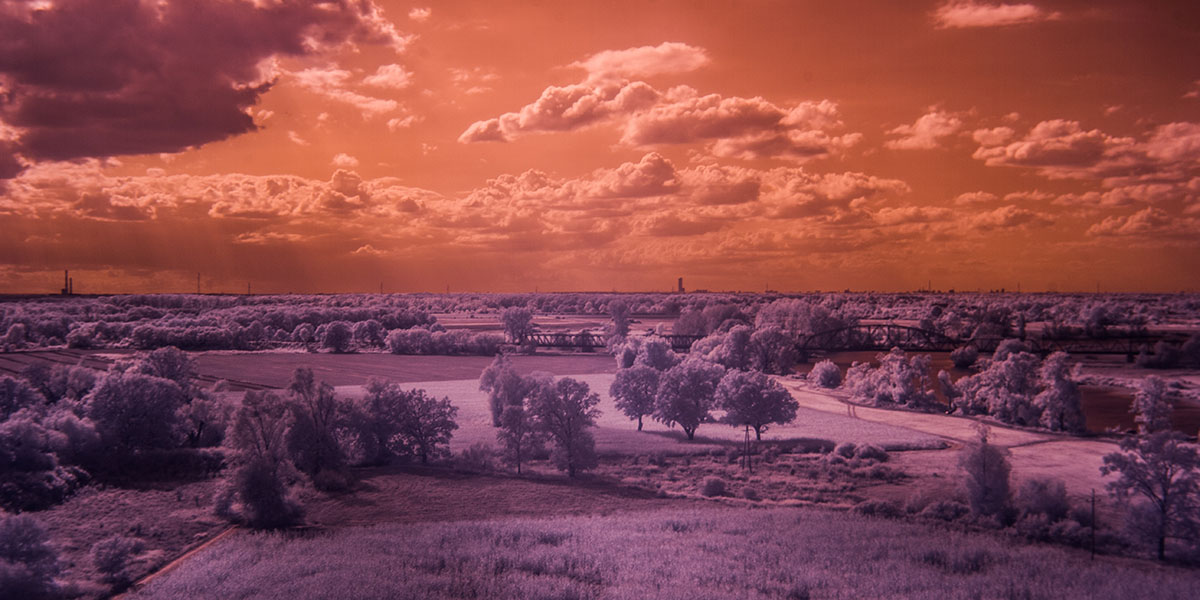 2 sec F5.6 ISO 100
 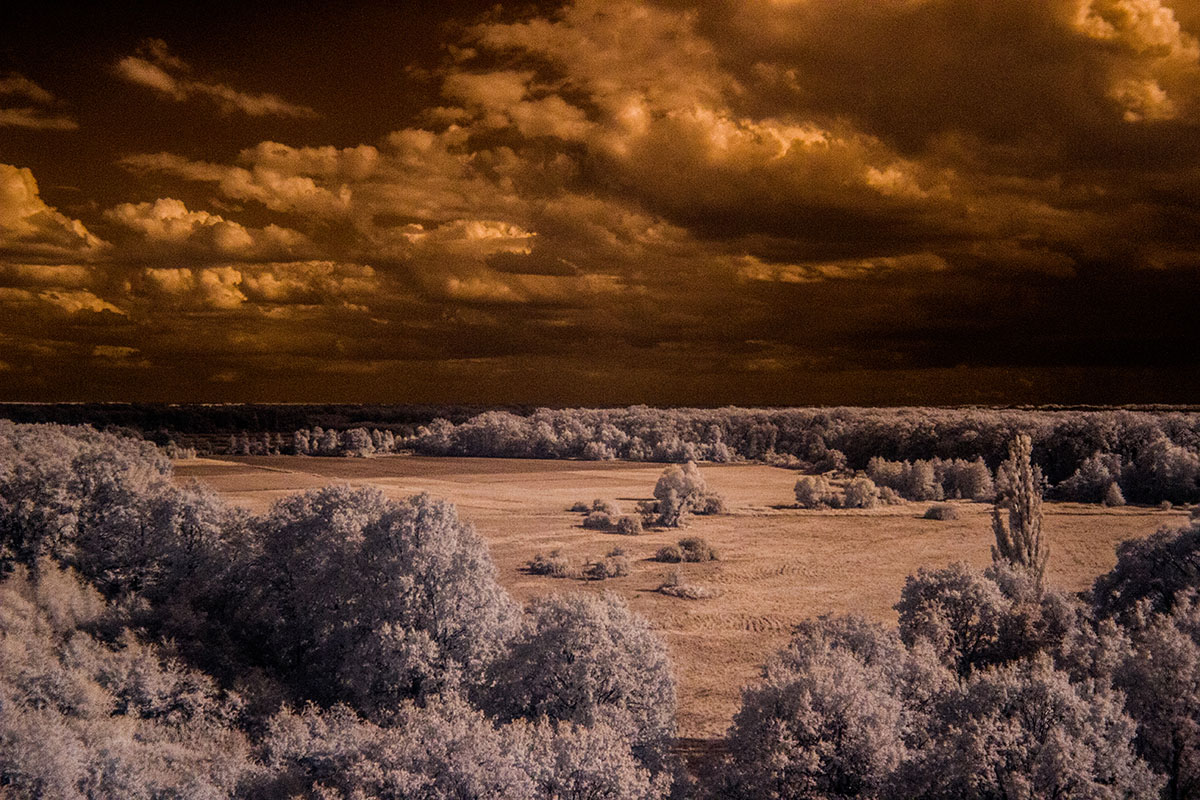 1/60 sec F2 ISO 640
 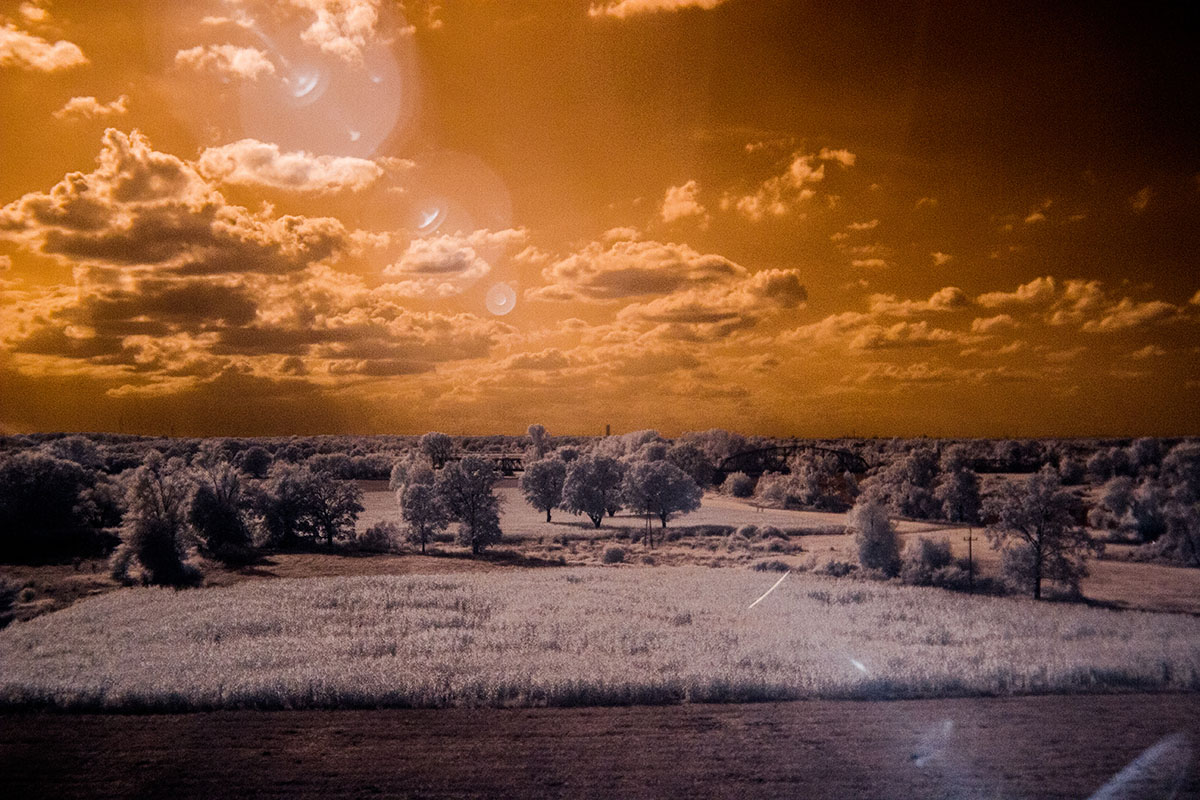 1/60 sec F2 ISO 640
 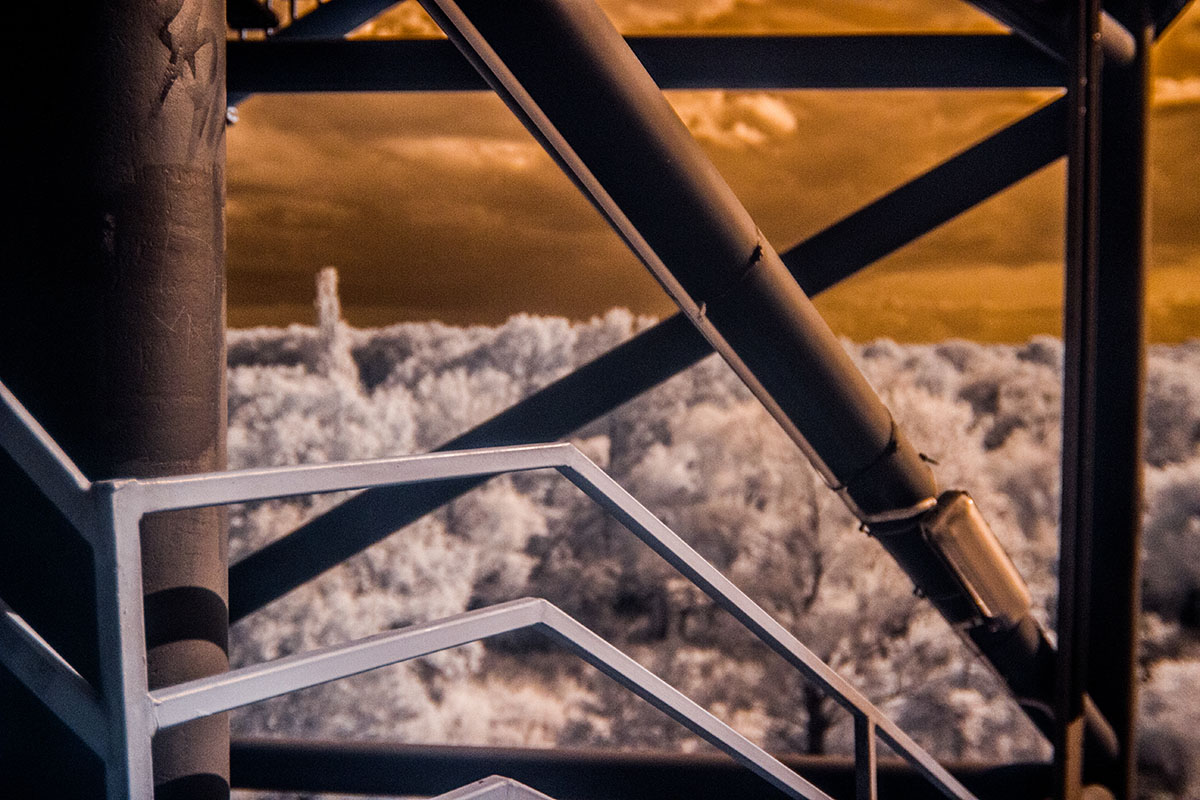 1/25 sec F2 ISO 640
 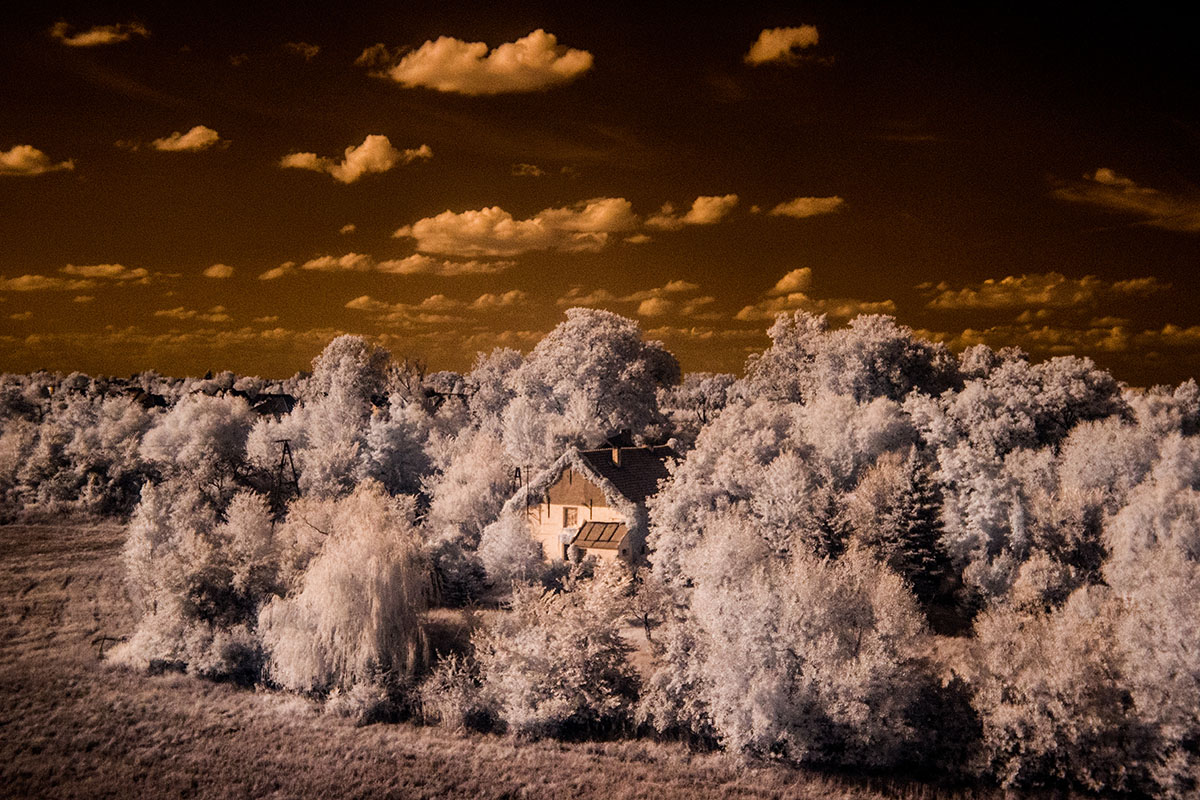 1/40 sec F2 ISO 640
 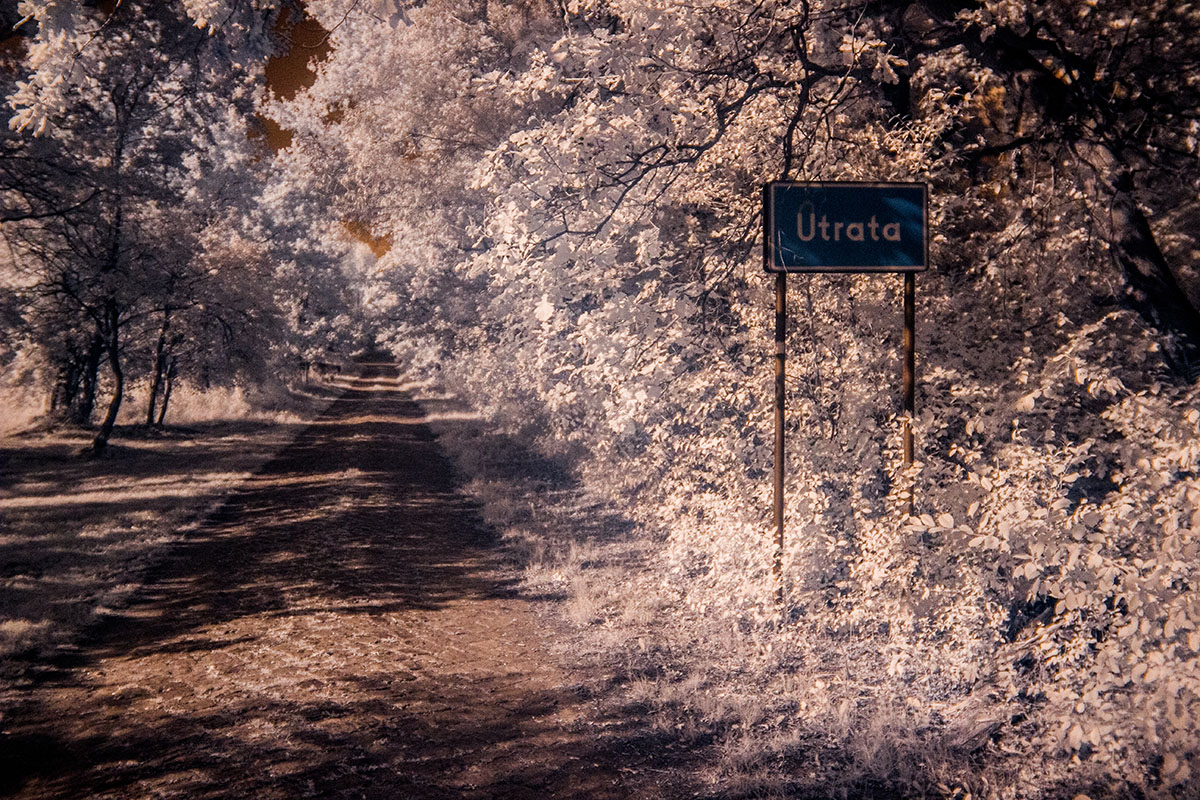 1/30 sec F2 ISO 640
 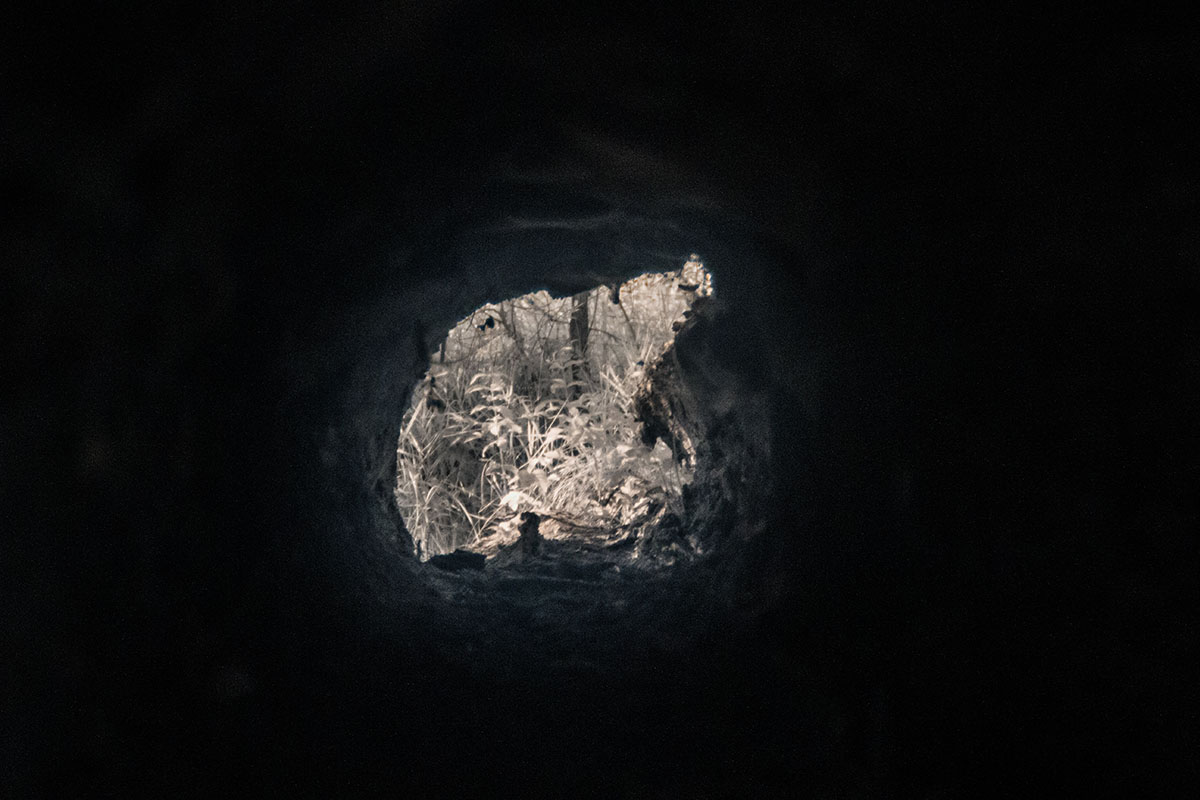 1/30 sec F1.4 ISO 2500
 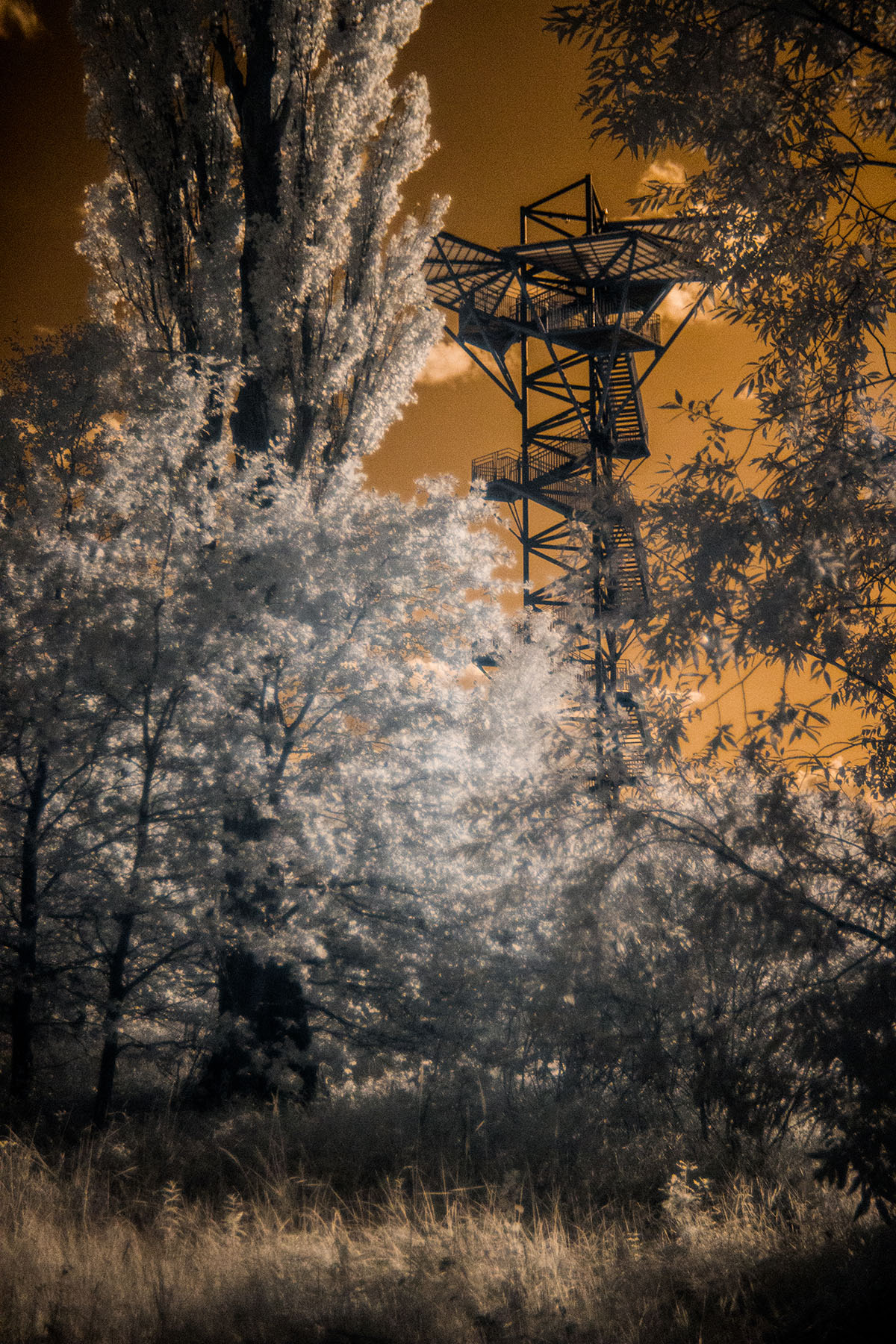 1/60 sec F1.4 ISO 640
 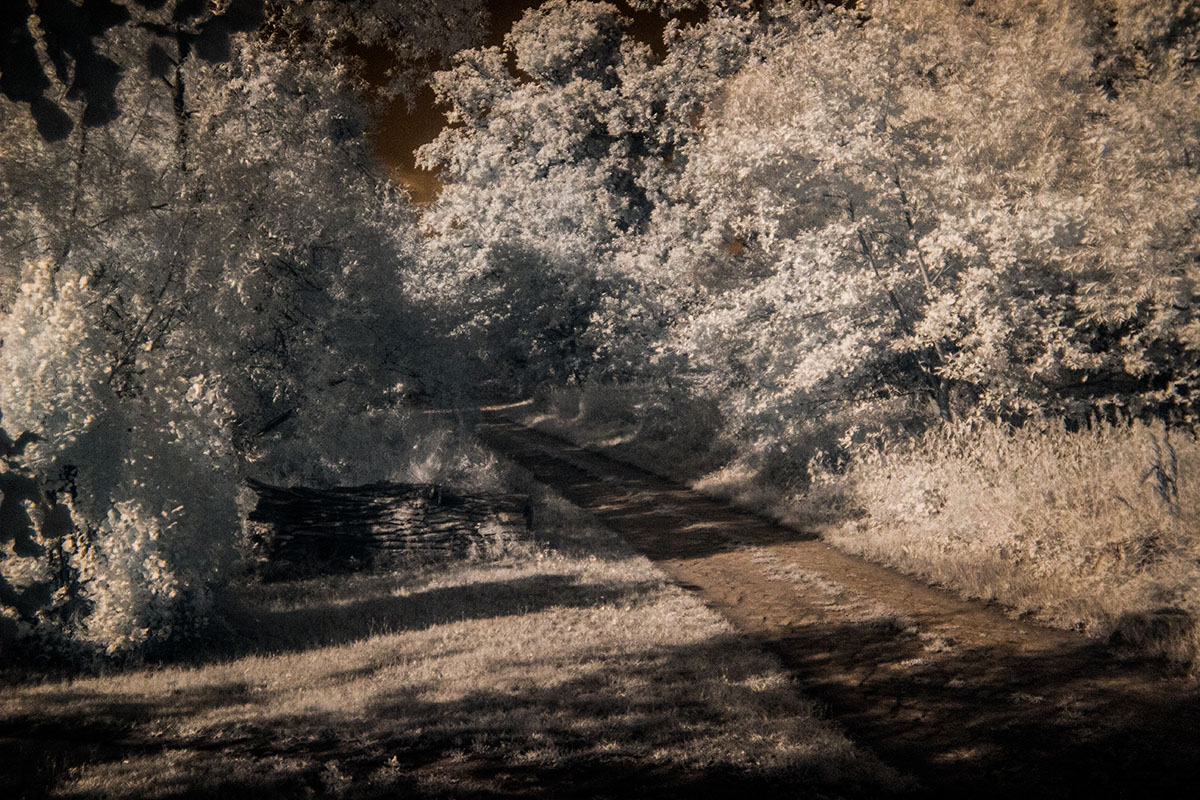 1/60 sec F1.4 ISO 640
 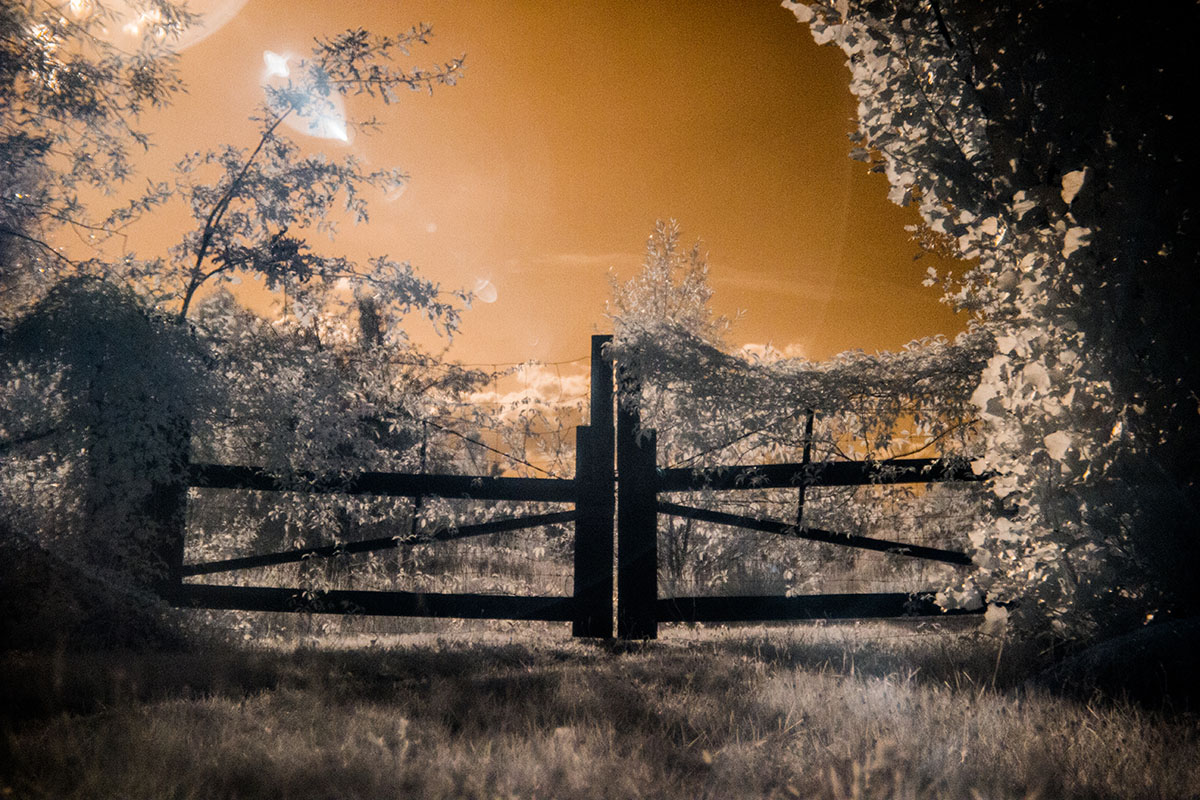 1/125 sec F1.4 ISO 640
  1/40 sec F1.4 ISO 640
 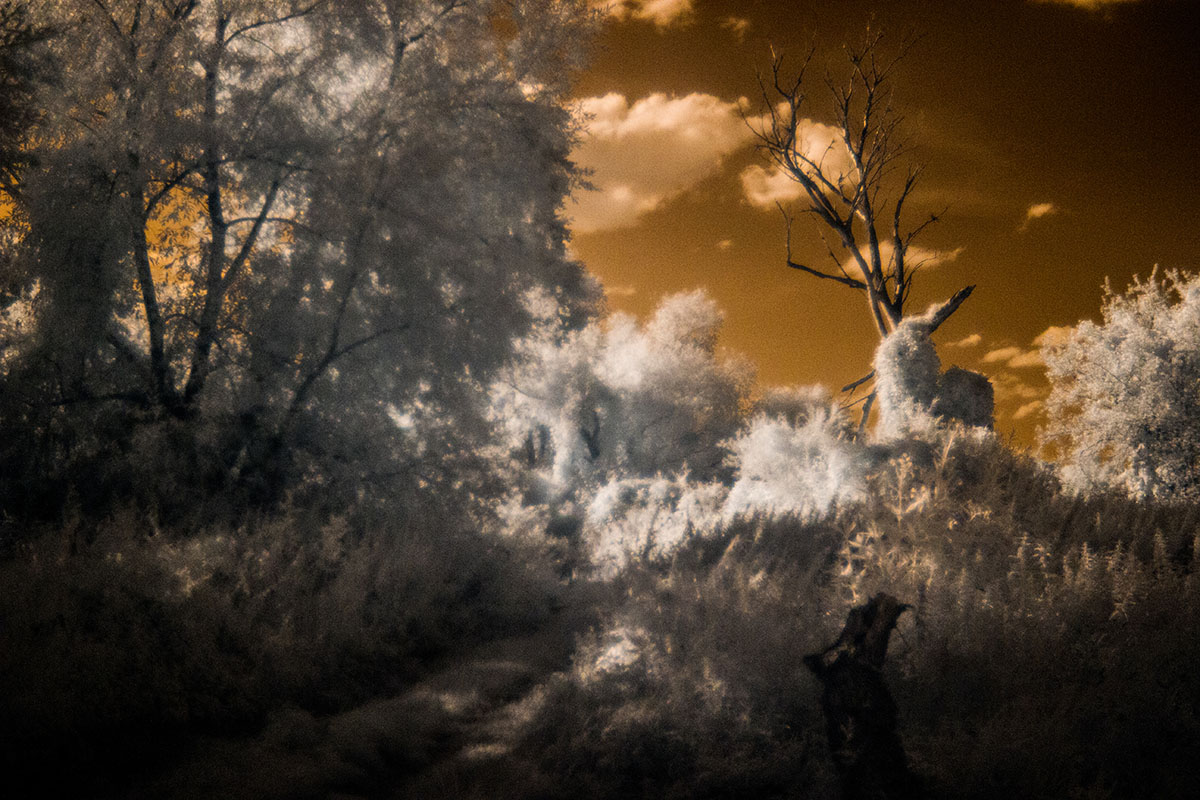 1/50 sec F1.4 ISO 640 - Yes, we called this photo "Deer".
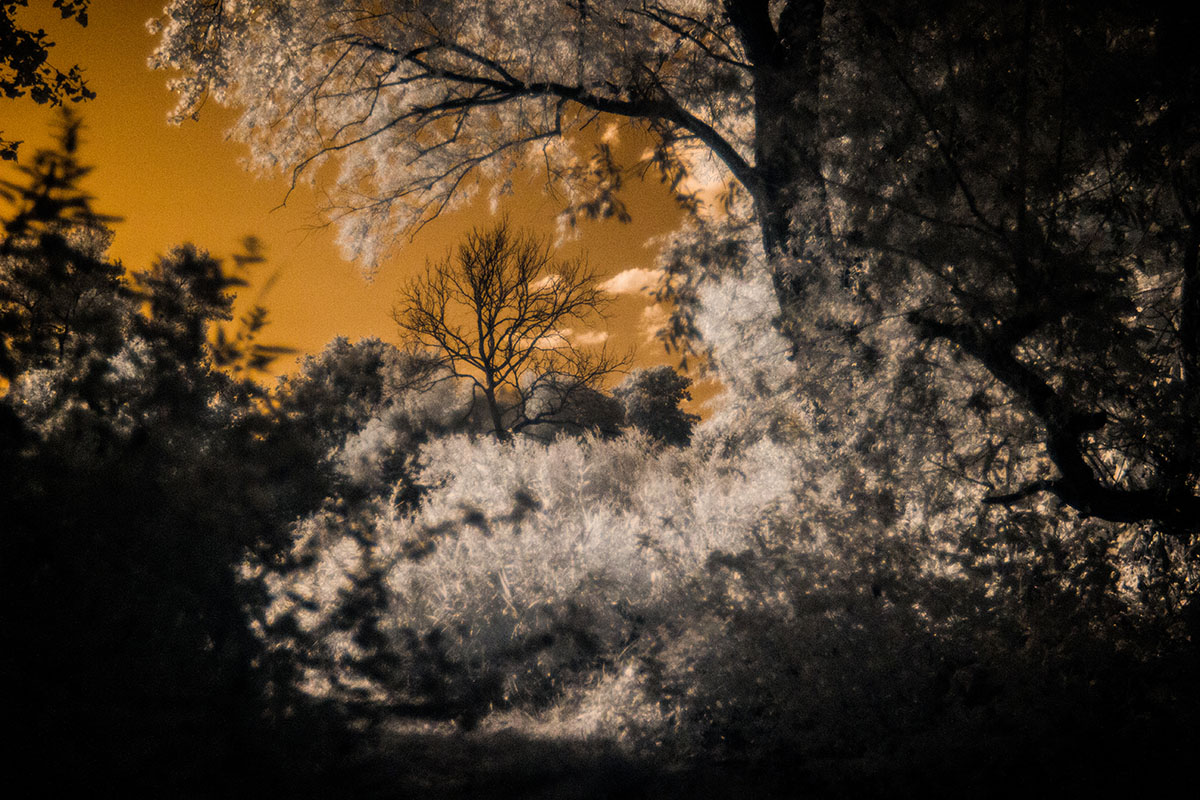 1/80 sec F1.4 ISO 640
 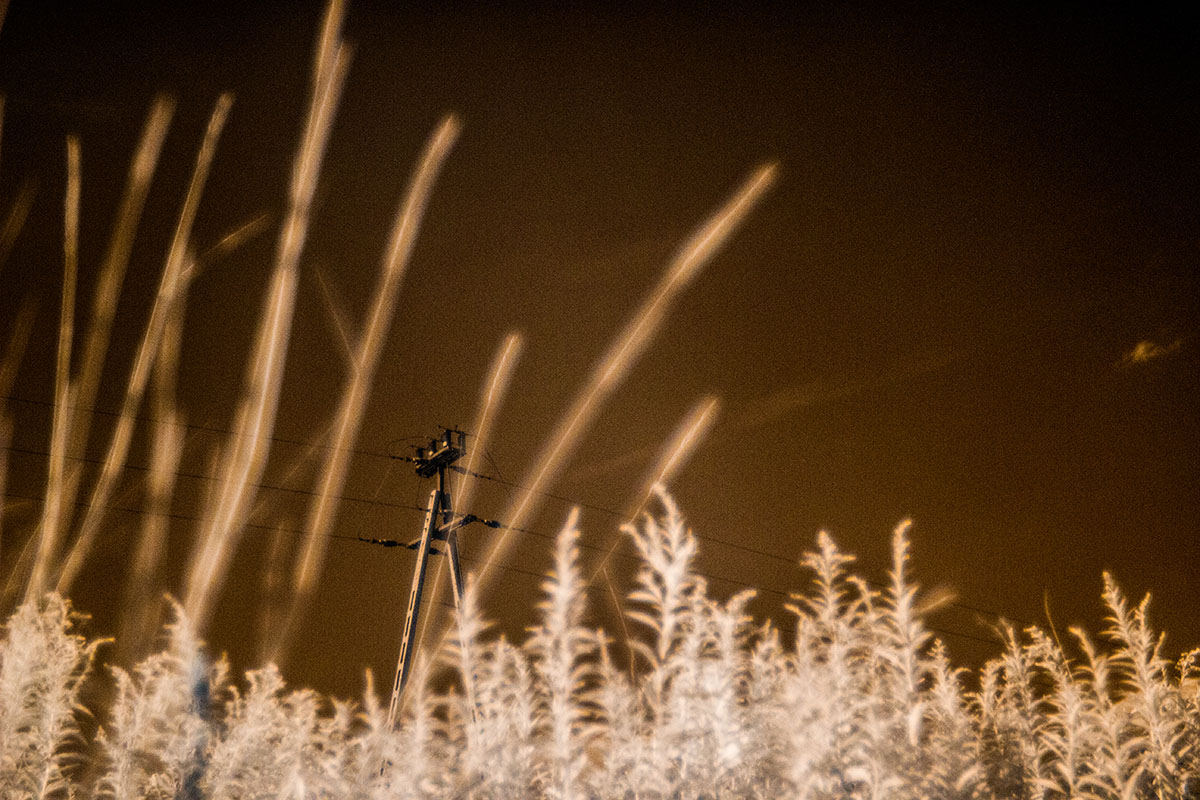 1/30 sec F1.4 ISO 640
  1/500 sec F1.4 ISO 640
 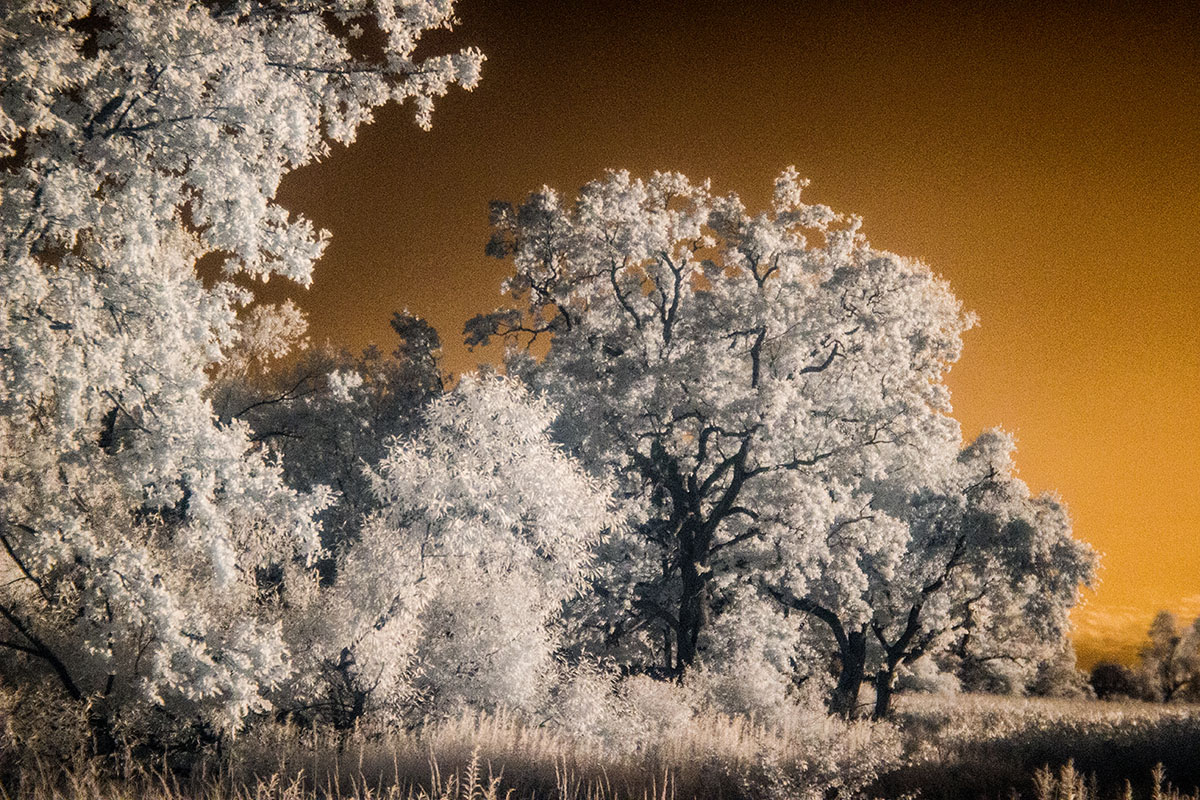 1/60 sec F1.4 ISO 1250
 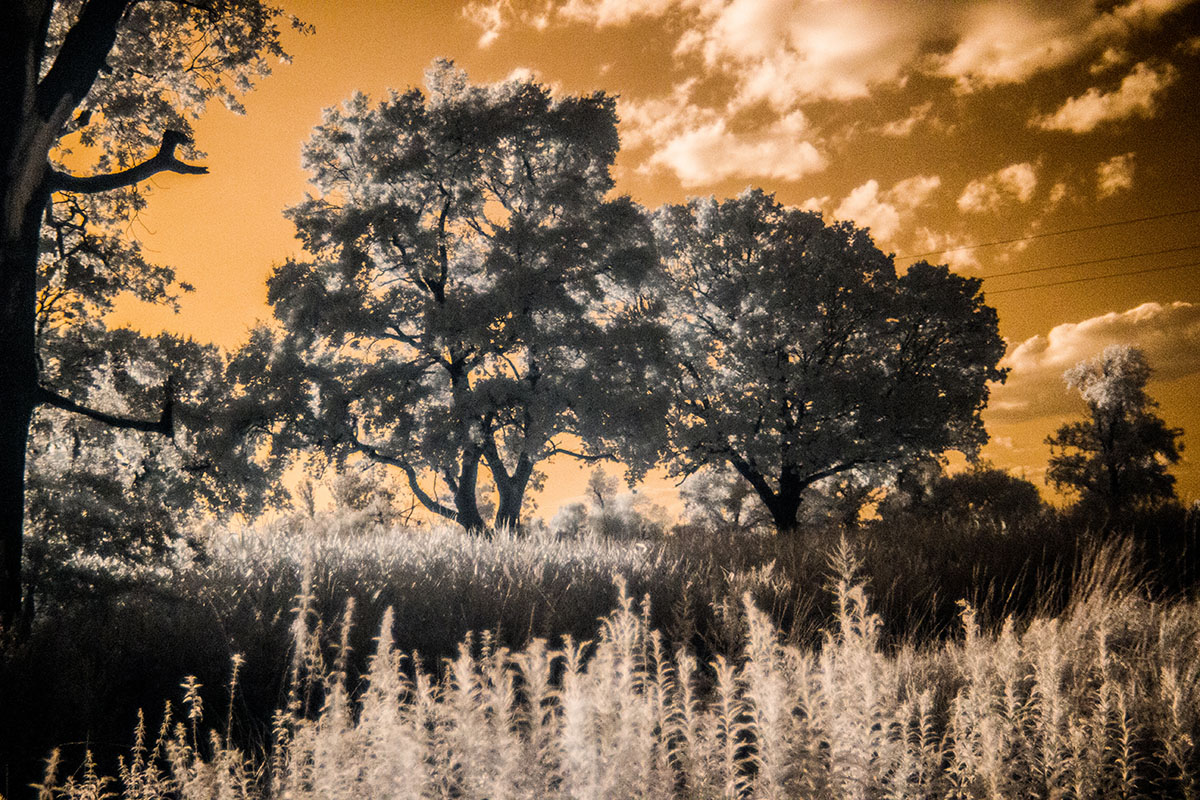 1/50 sec F1.4 ISO 1250
 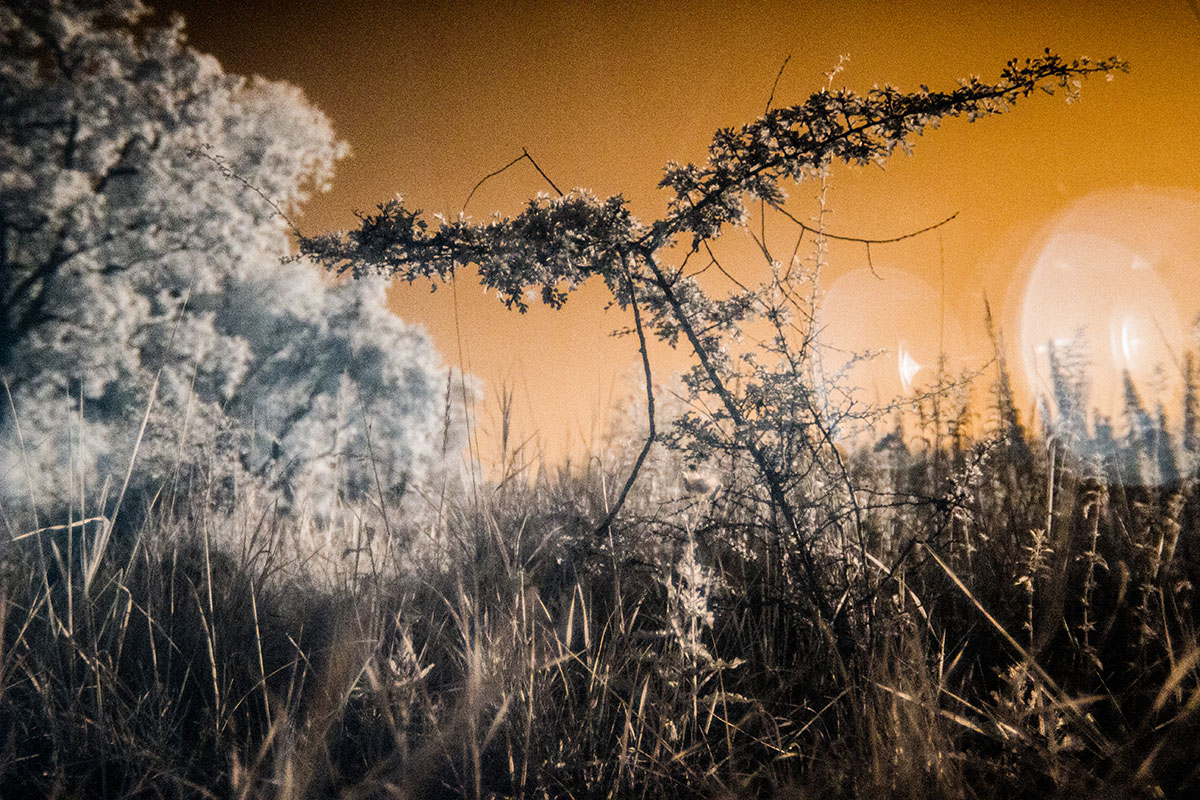 1/80 sec F1.4 ISO 1250
 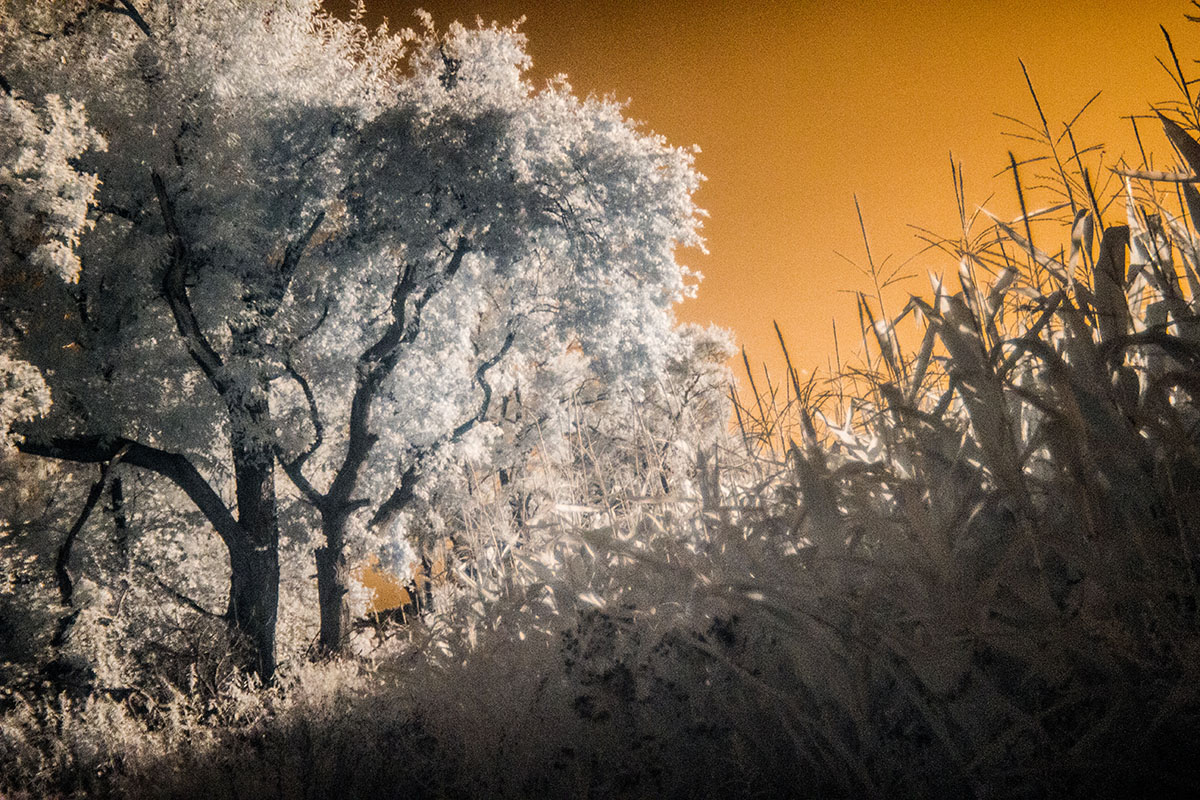 1/50 sec F1.4 ISO 1250
 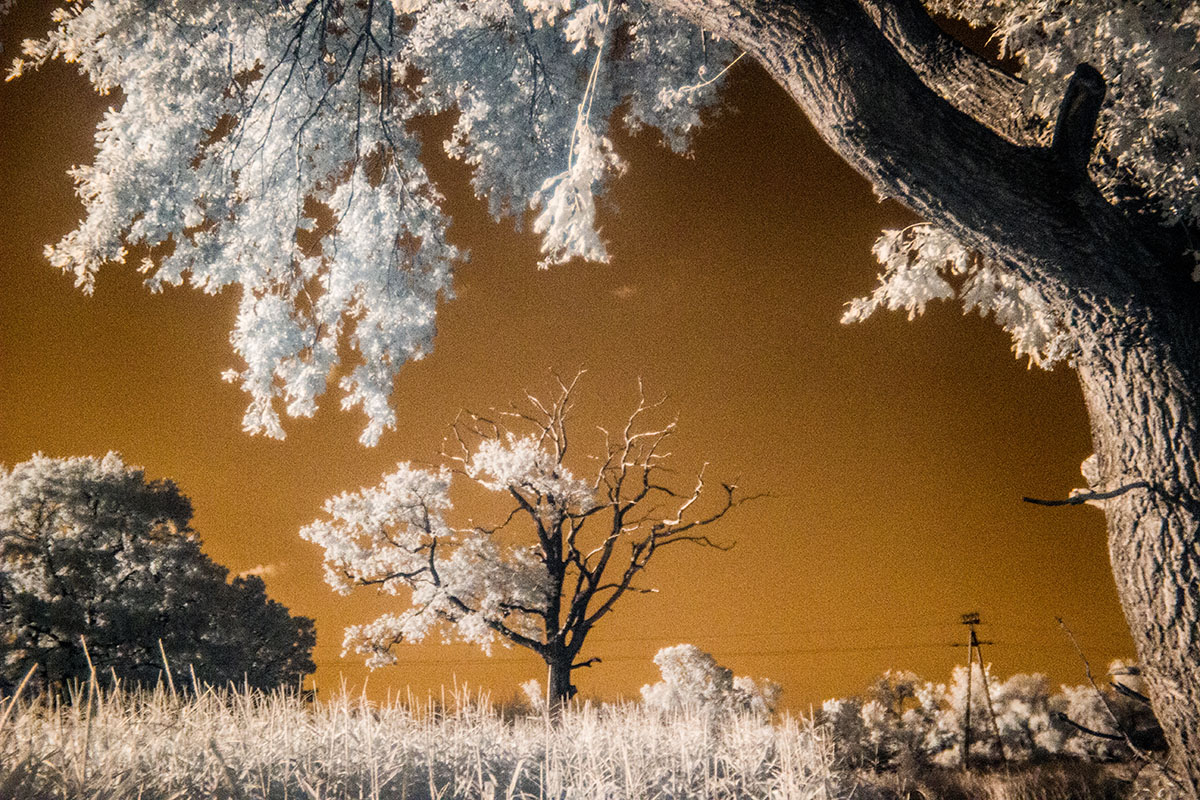 1/40 sec F1.4 ISO 1250
 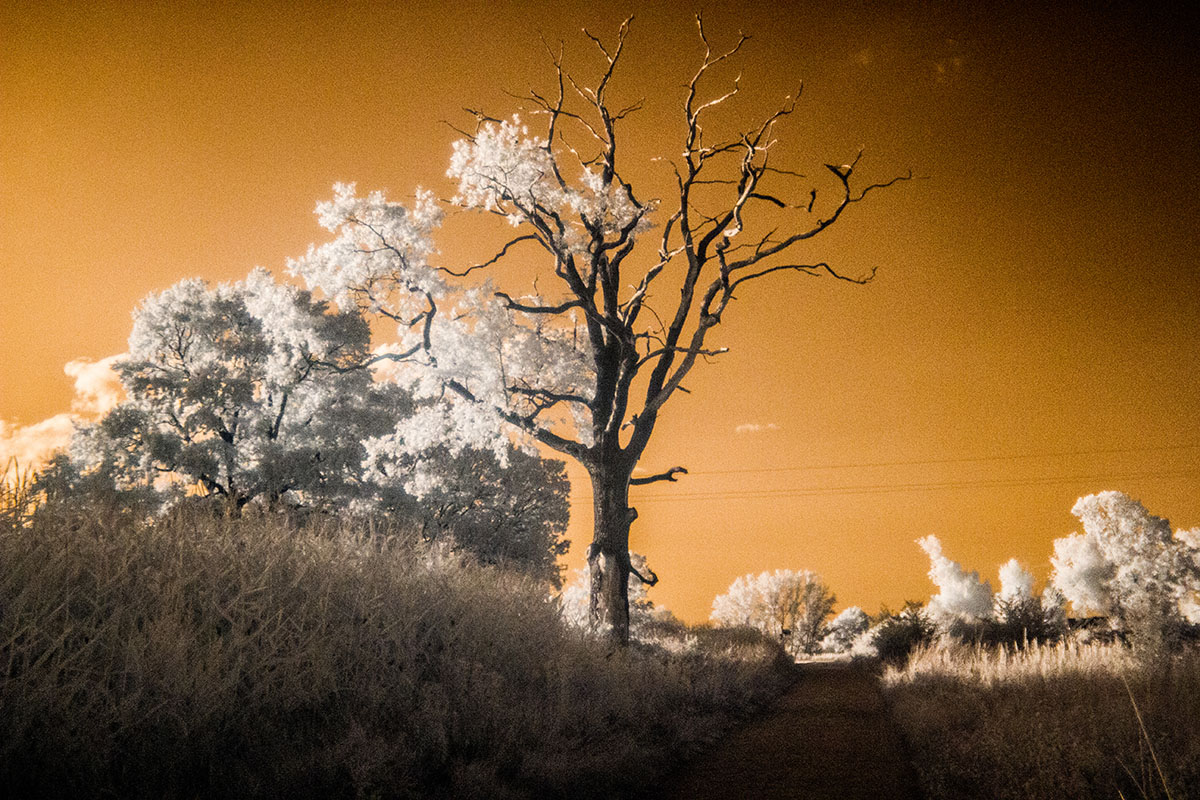 1/30 sec F1.4 ISO 1250
 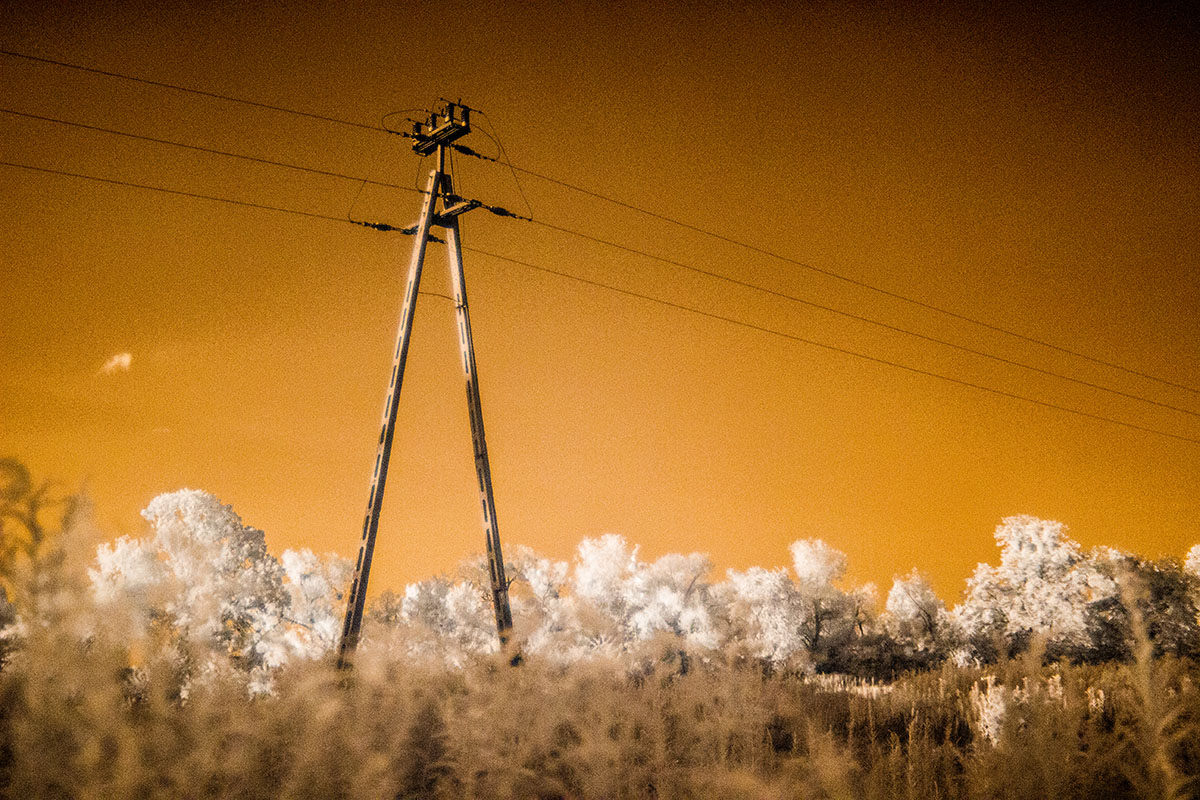 1/25 sec F1.4 ISO 1250
 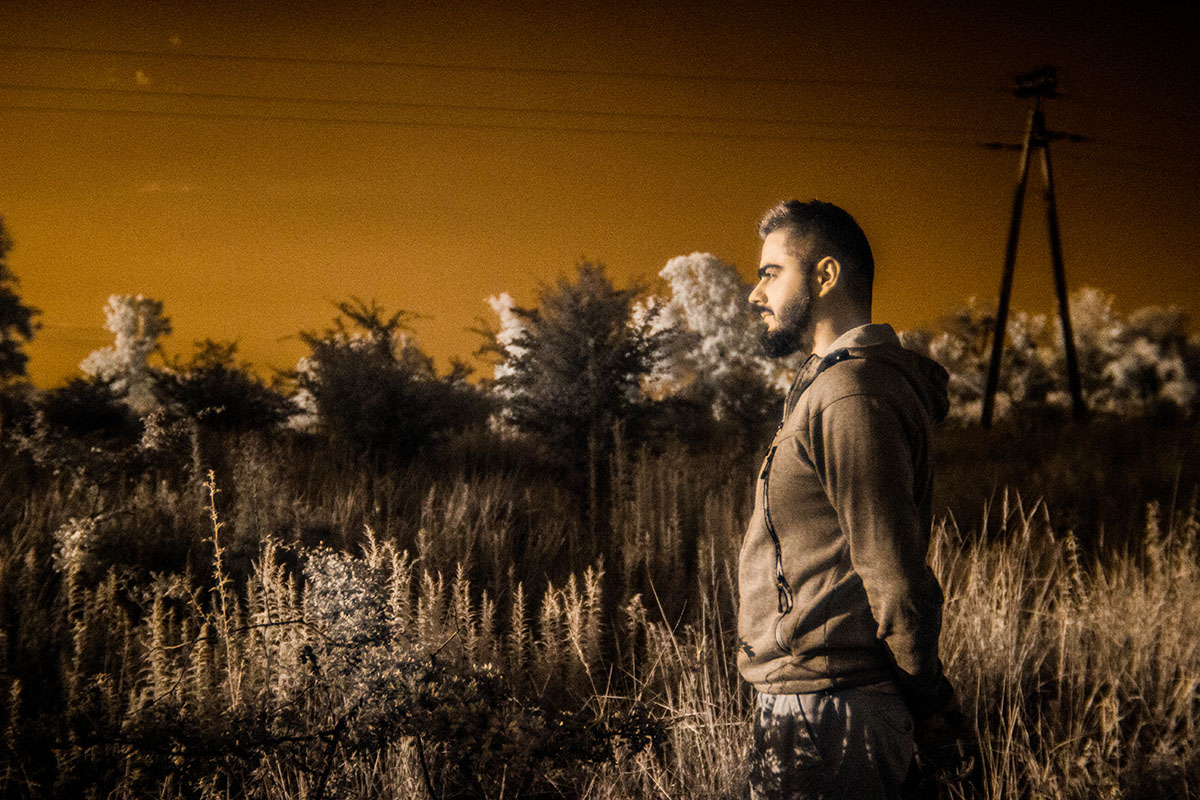 1/40 sec F1.4 ISO 1250 - And the originator of the trip Ydaś.
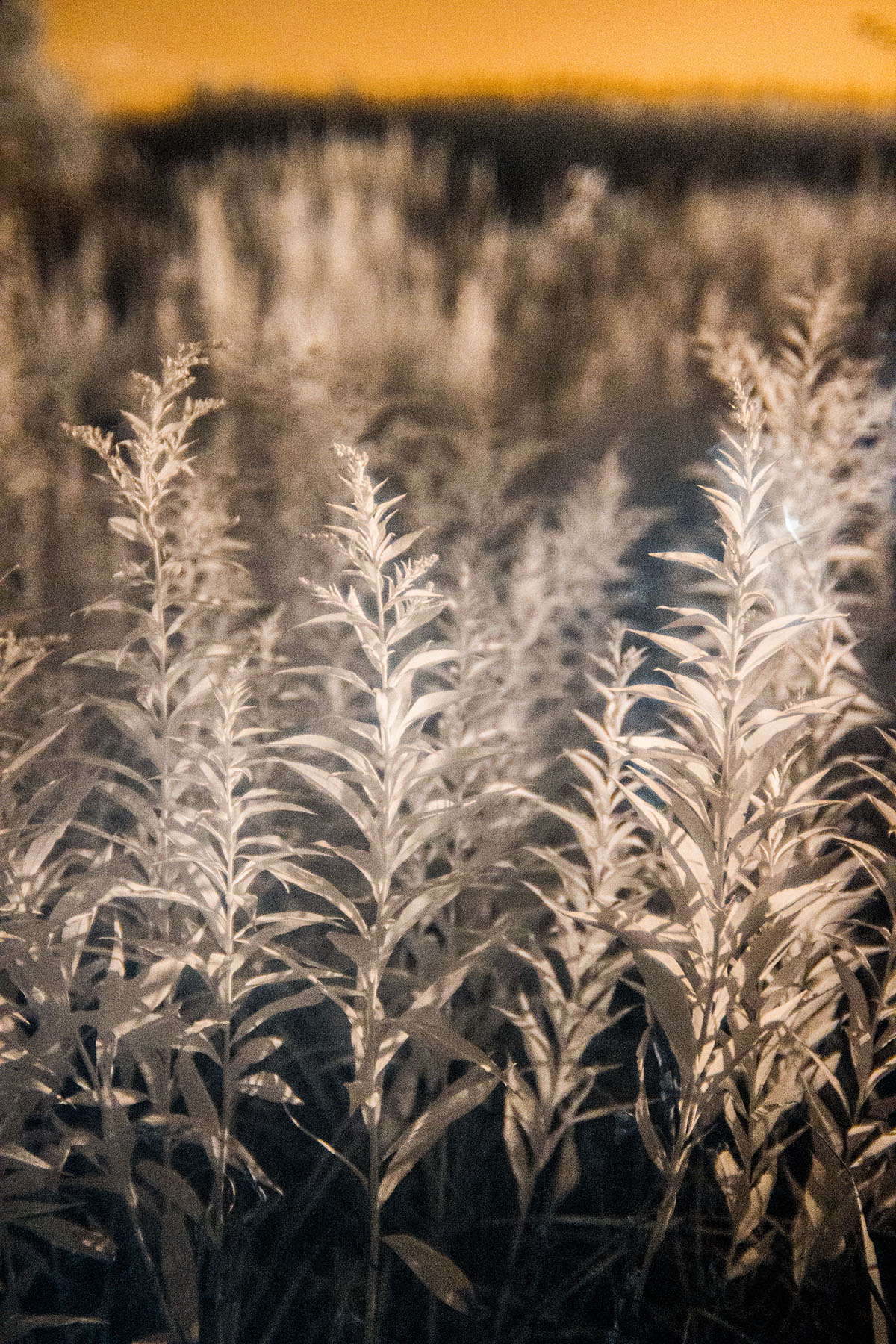 1/40 sec F1.4 ISO 1250
 Łasko 11.08.2019:
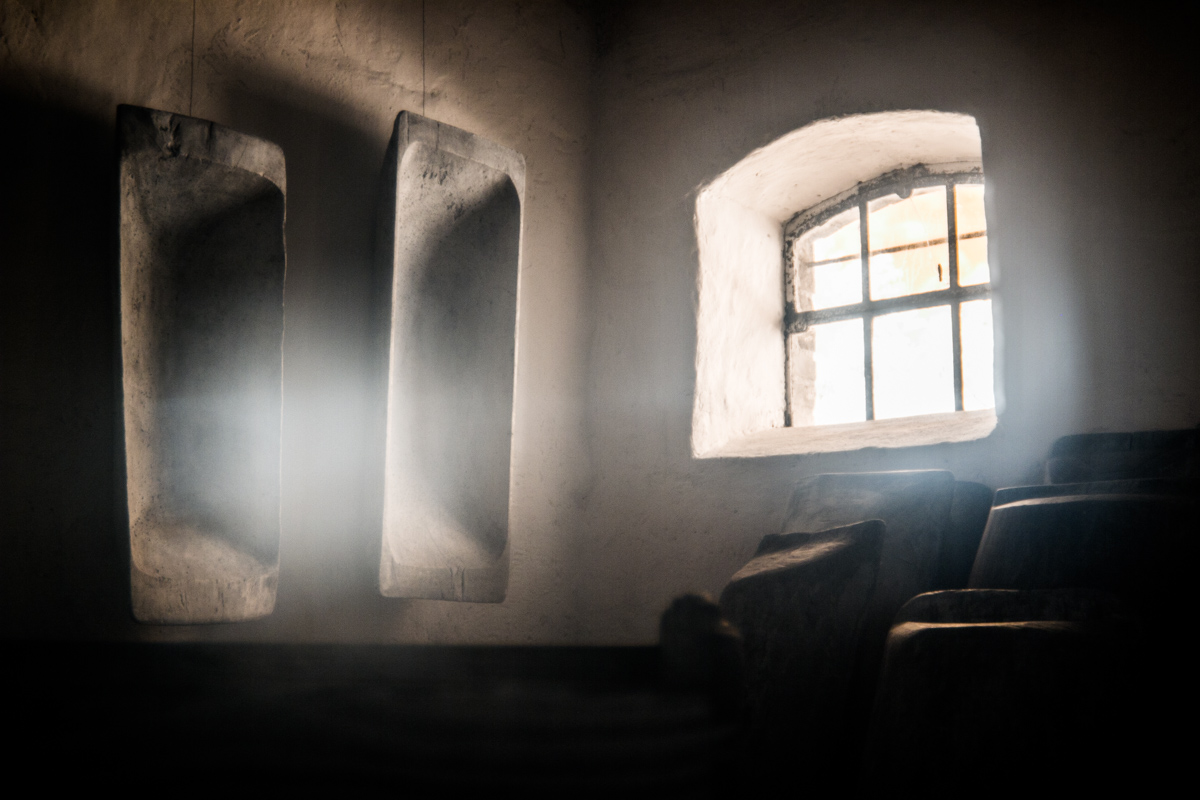 5 sec F1.4 ISO 100
 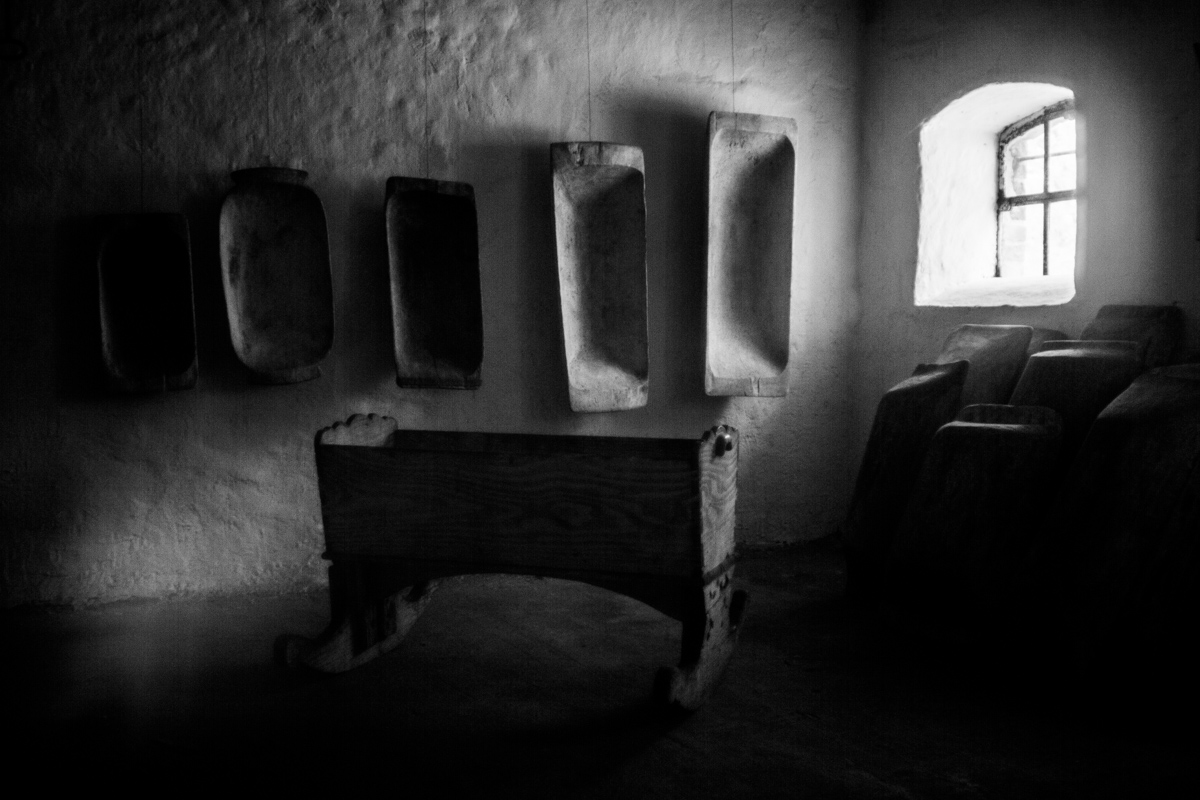 5 sec F1.4 ISO 100
 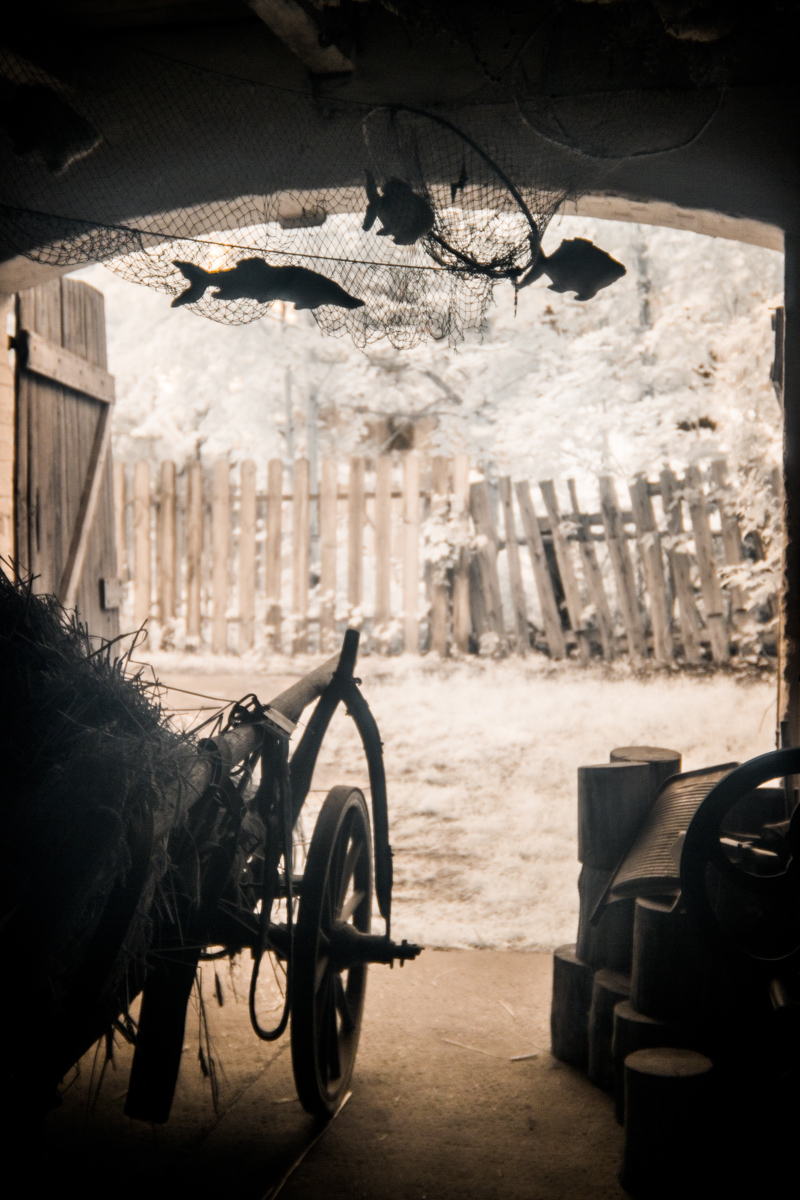 1.3 sec F1.4 ISO 100
 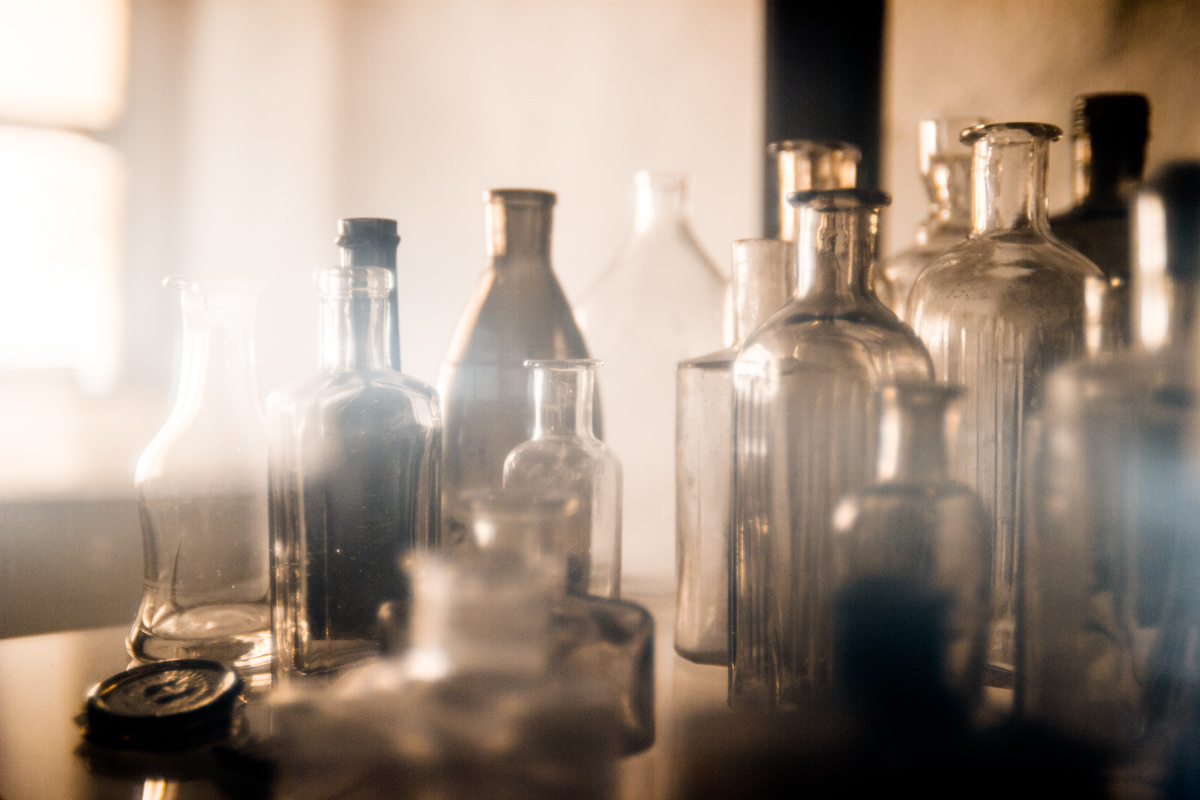 8 sec F1.4 ISO 100
 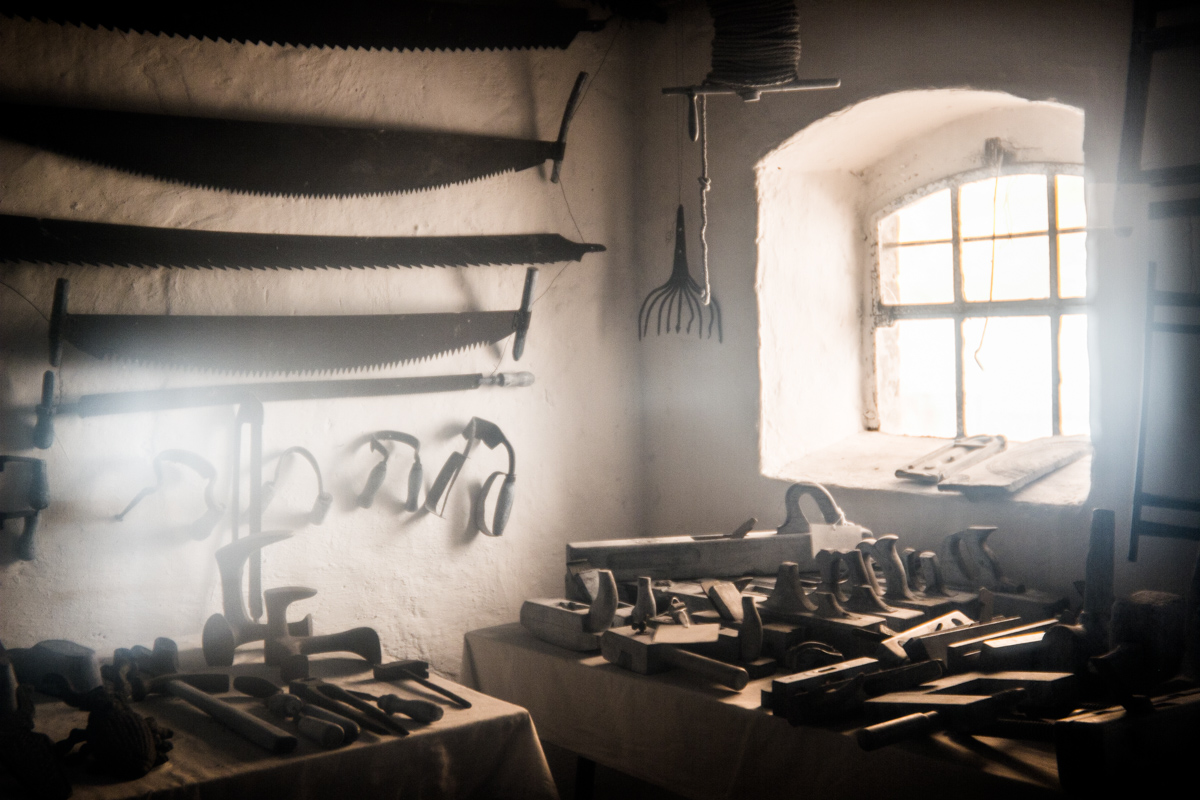 5 sec F1.4 ISO 100
 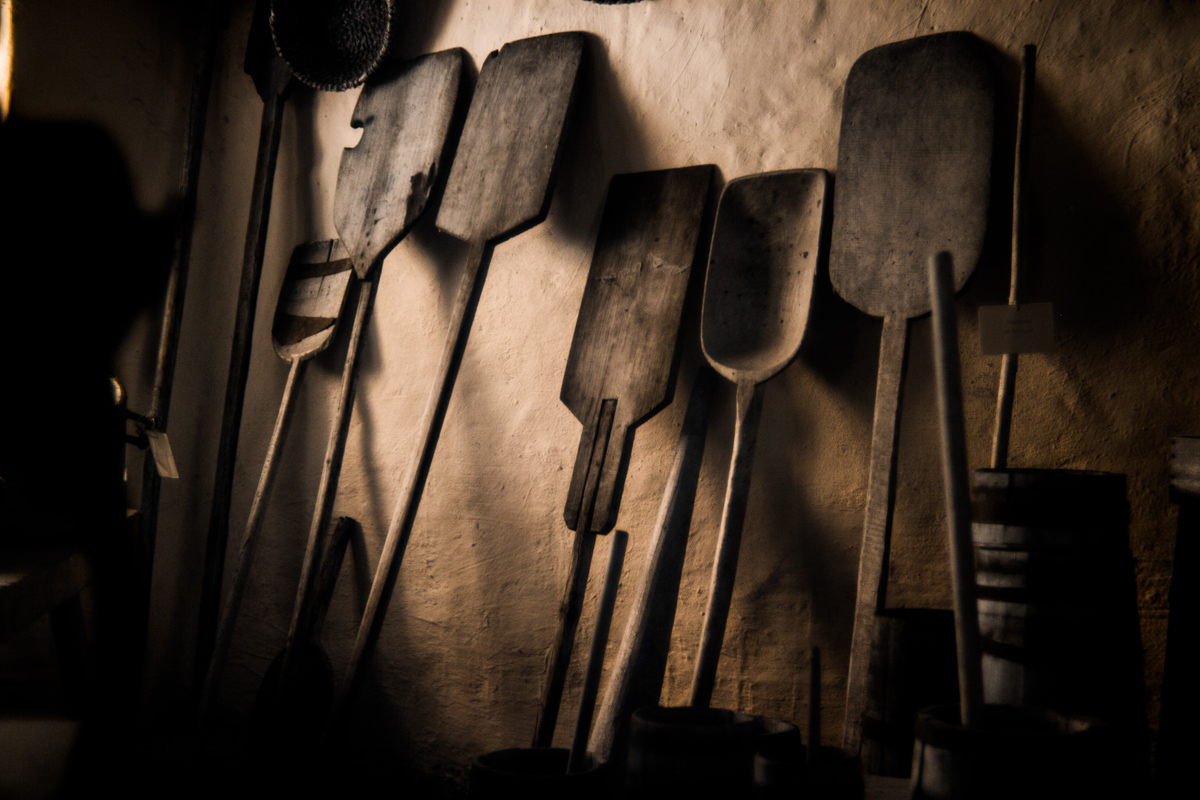 8 sec F1.4 ISO 160
 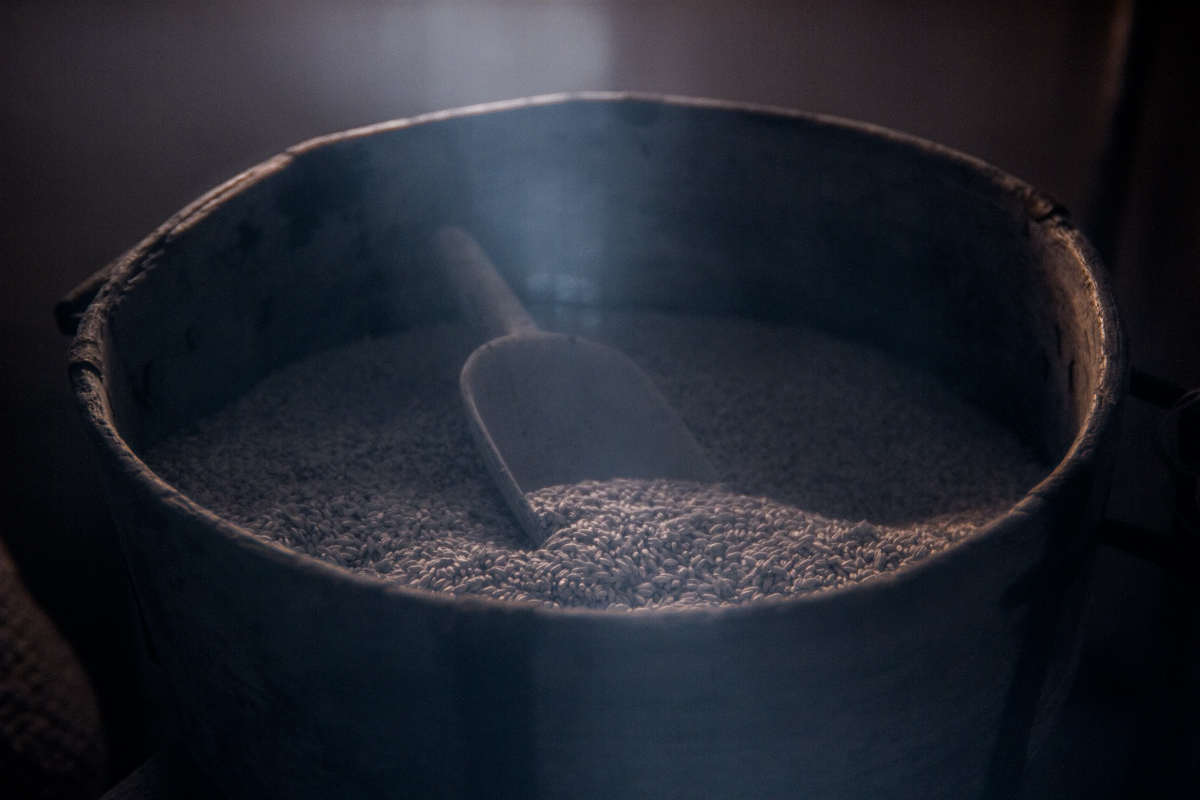 3.2 sec F1.4 ISO 160
 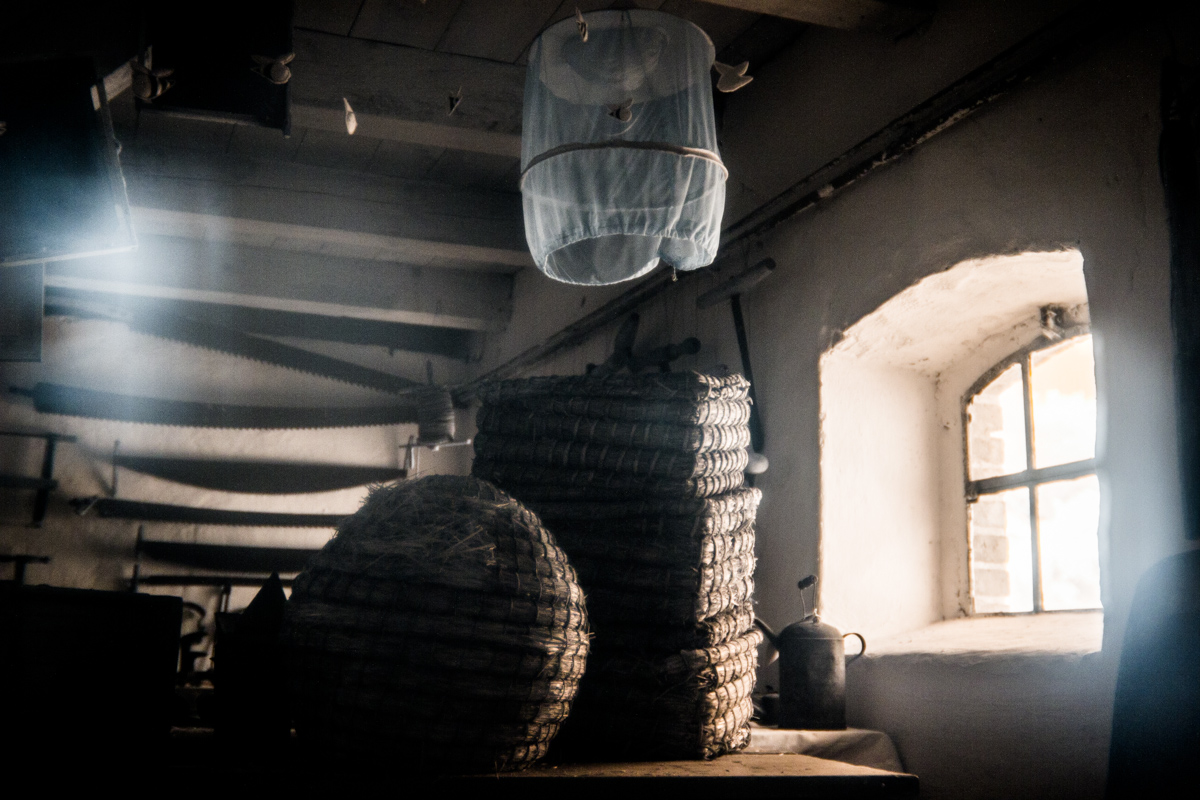 2.5 sec F1.4 ISO 160
 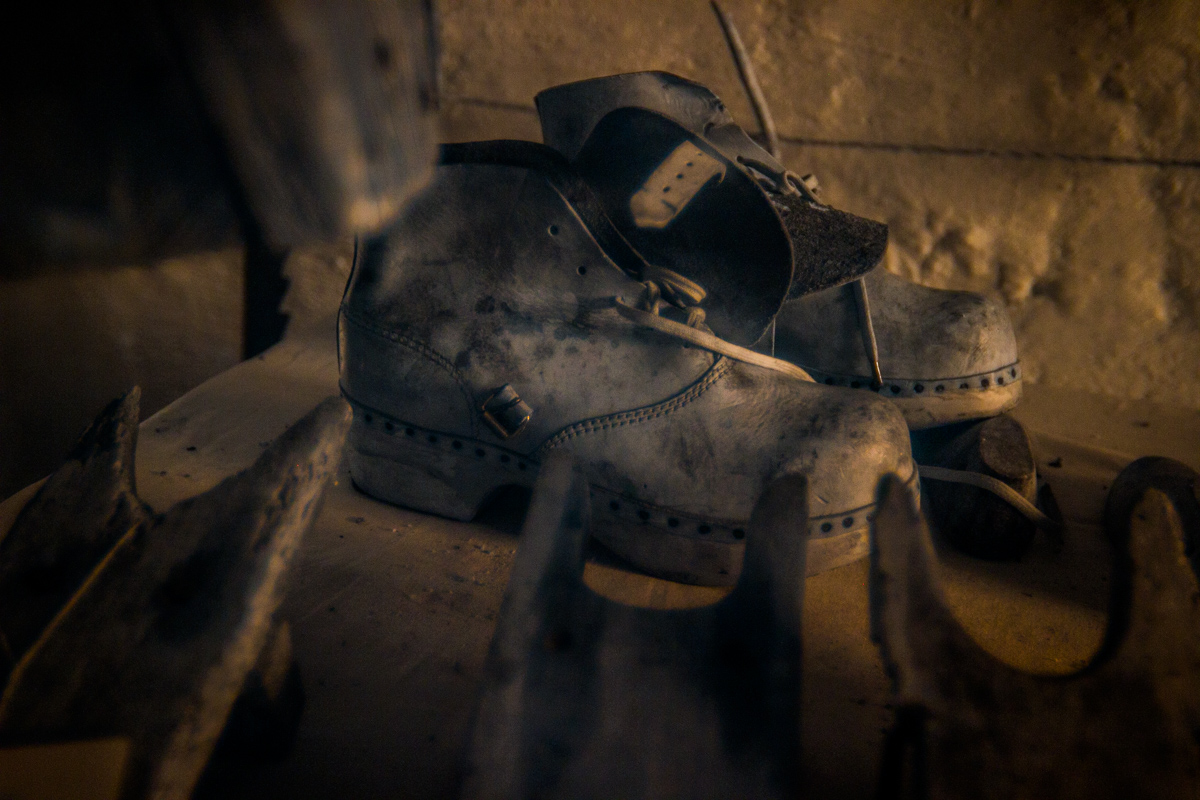 6 sec F1.4 ISO 160
 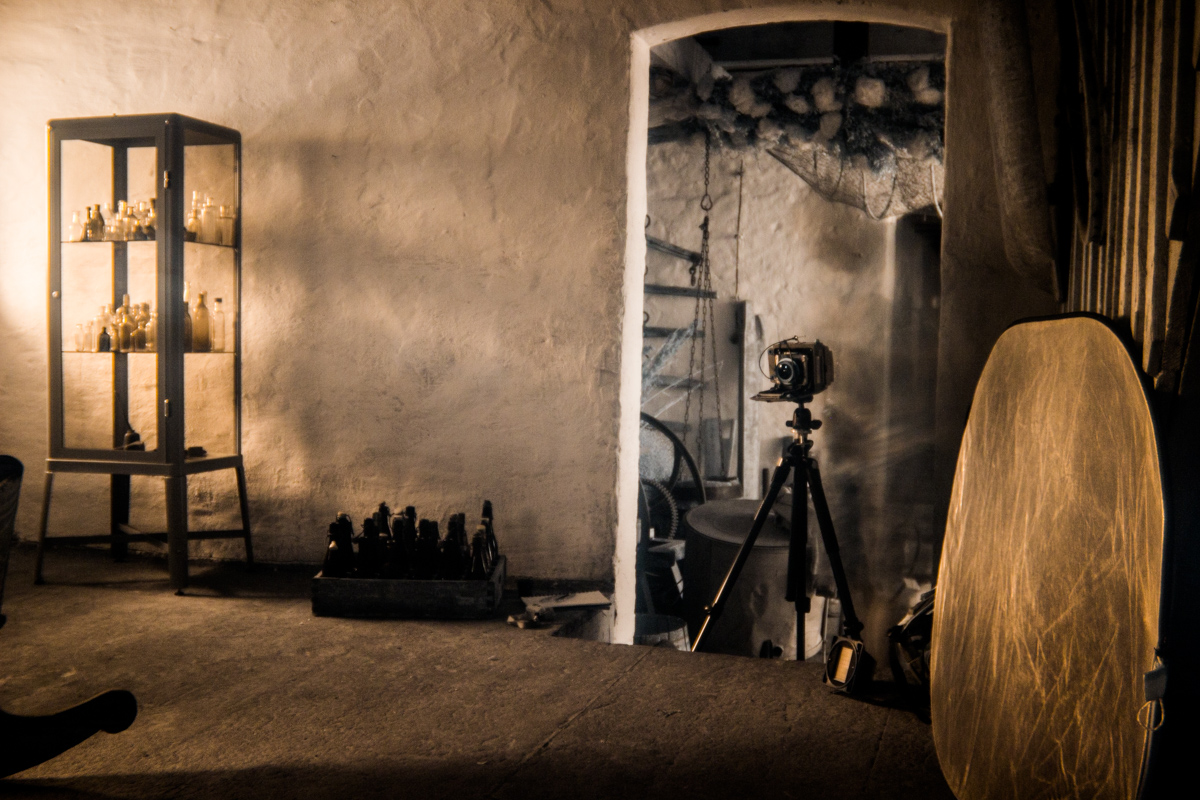 30 sec F1.4 ISO 100
 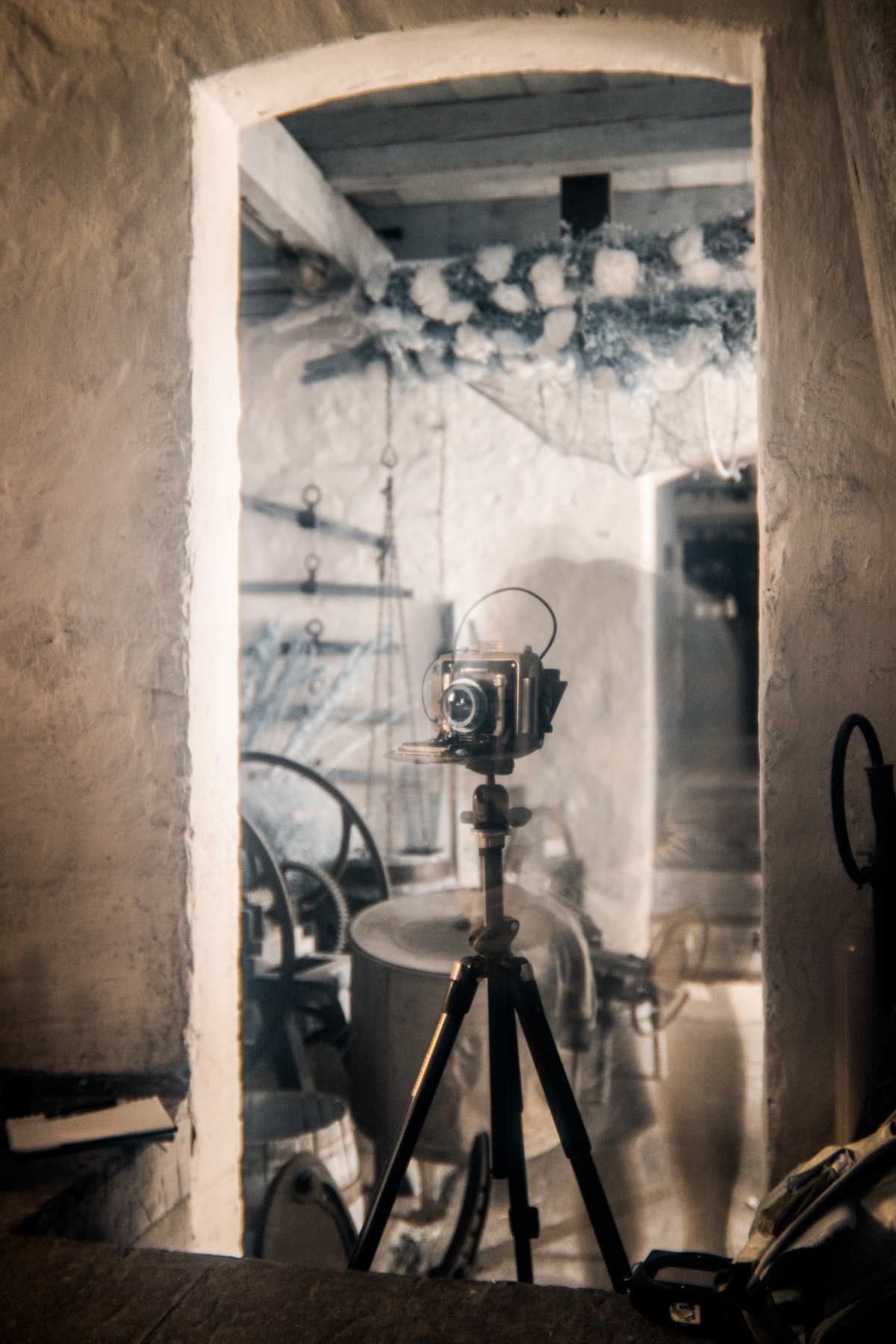 30 sec F1.4 ISO 100
 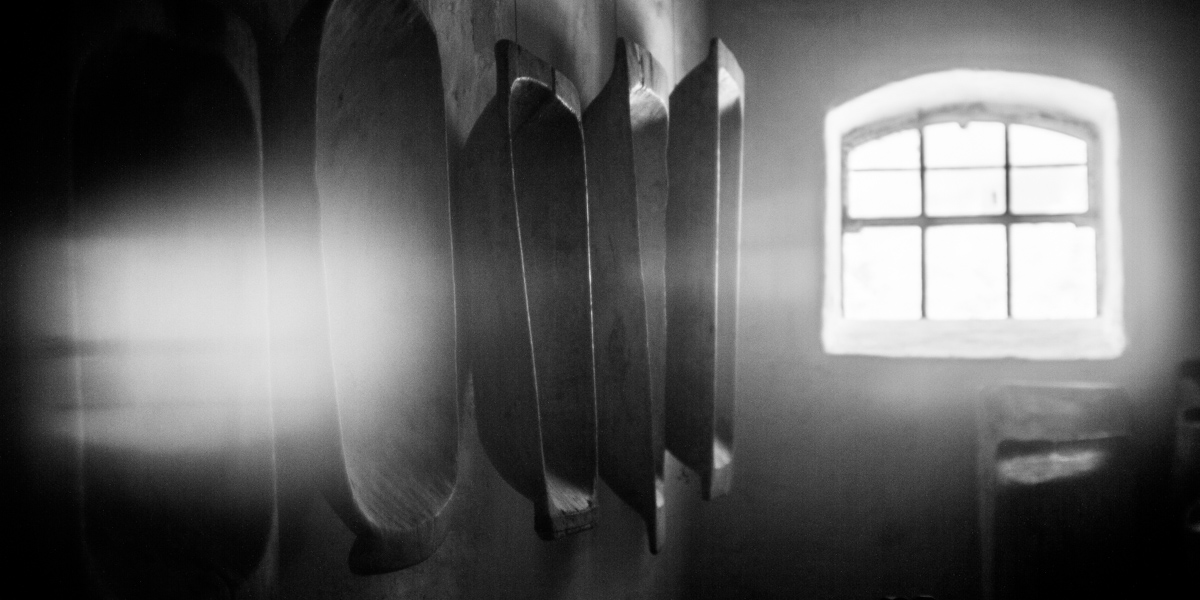 3.2 sec F1.4 ISO 100
 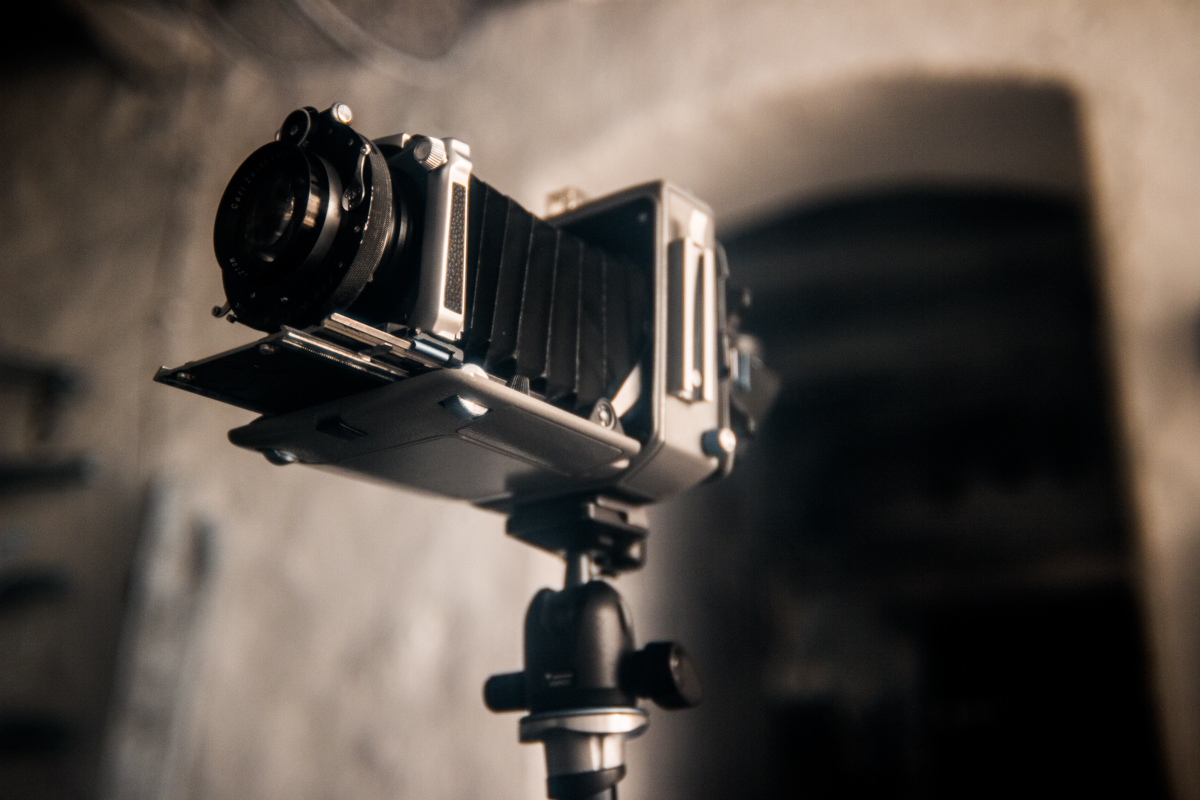 6 sec F1.4 ISO 100
 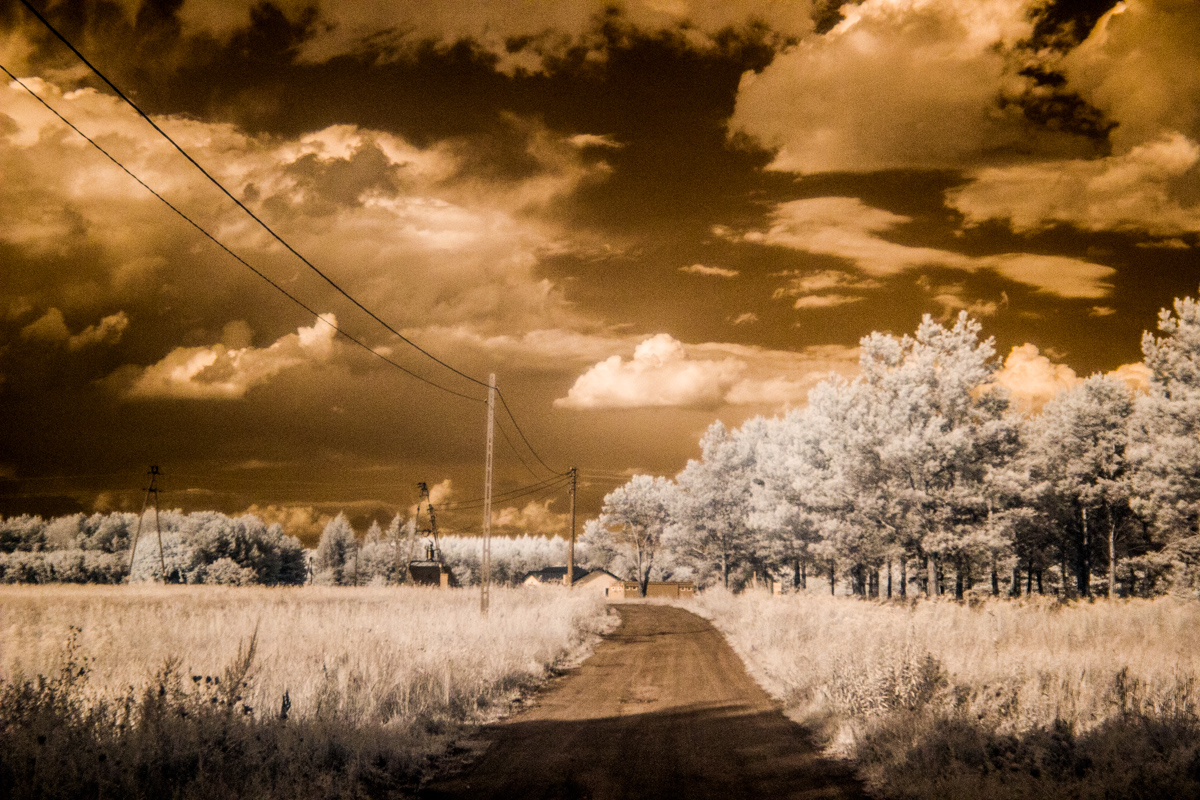 1/40 sec F1.4 ISO 640
 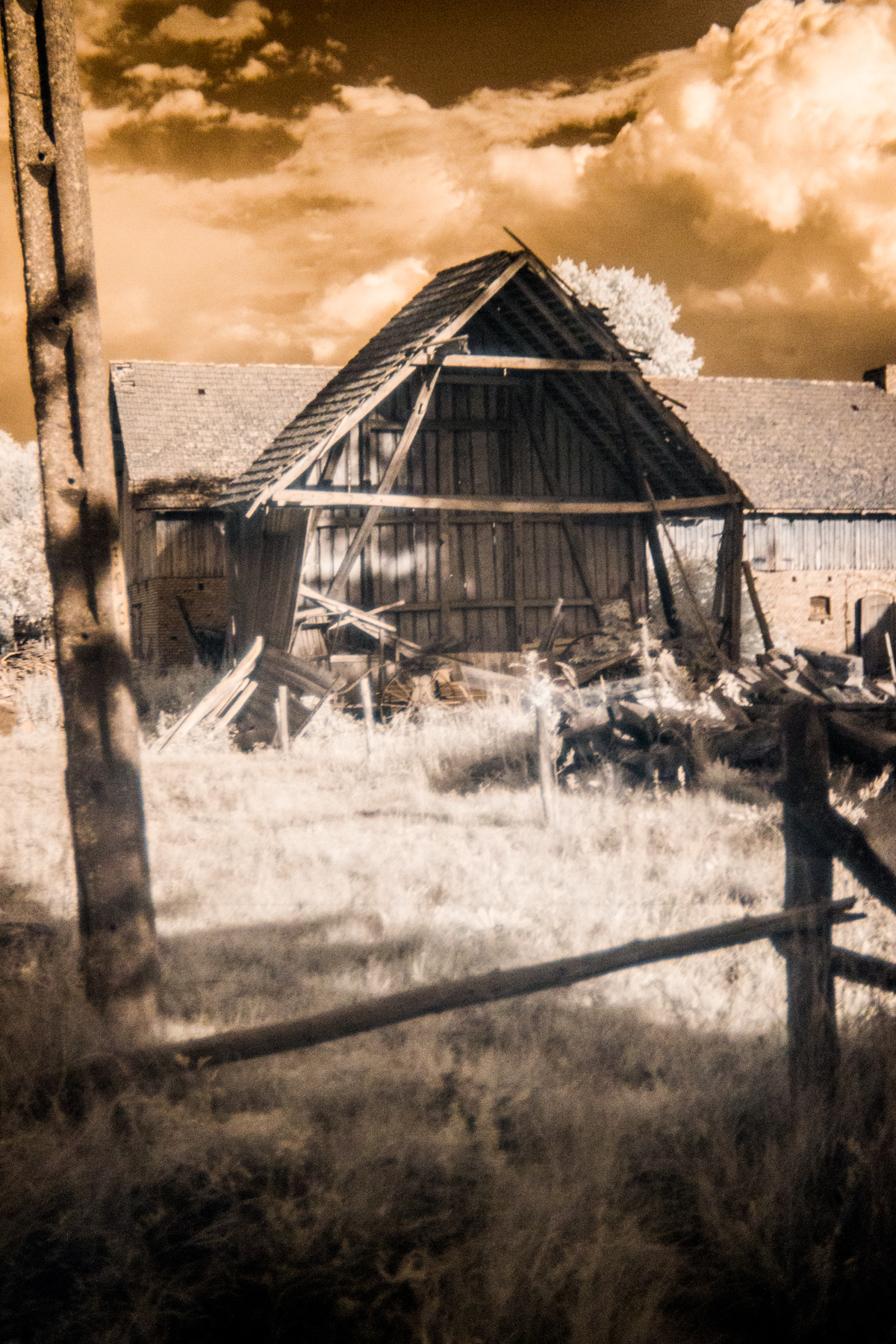 1/30 sec F1.4 ISO 100
 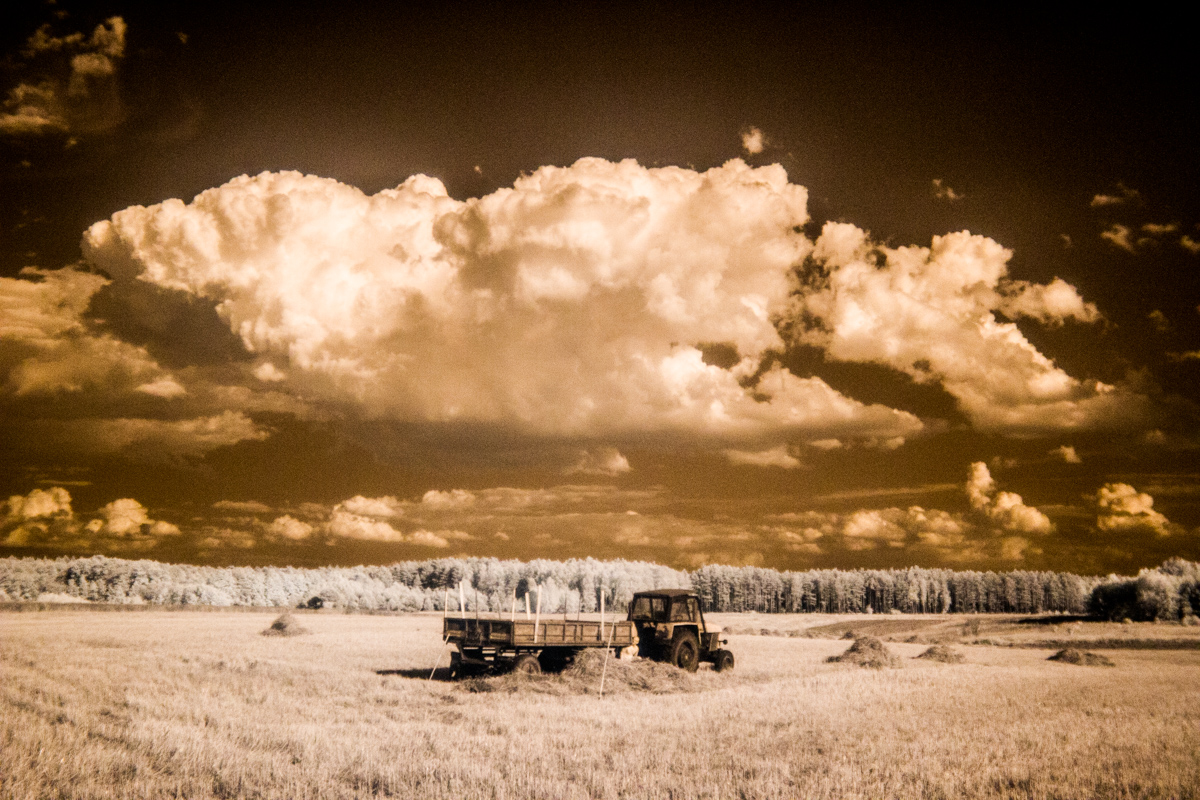 1/60 sec F1.4 ISO 100
 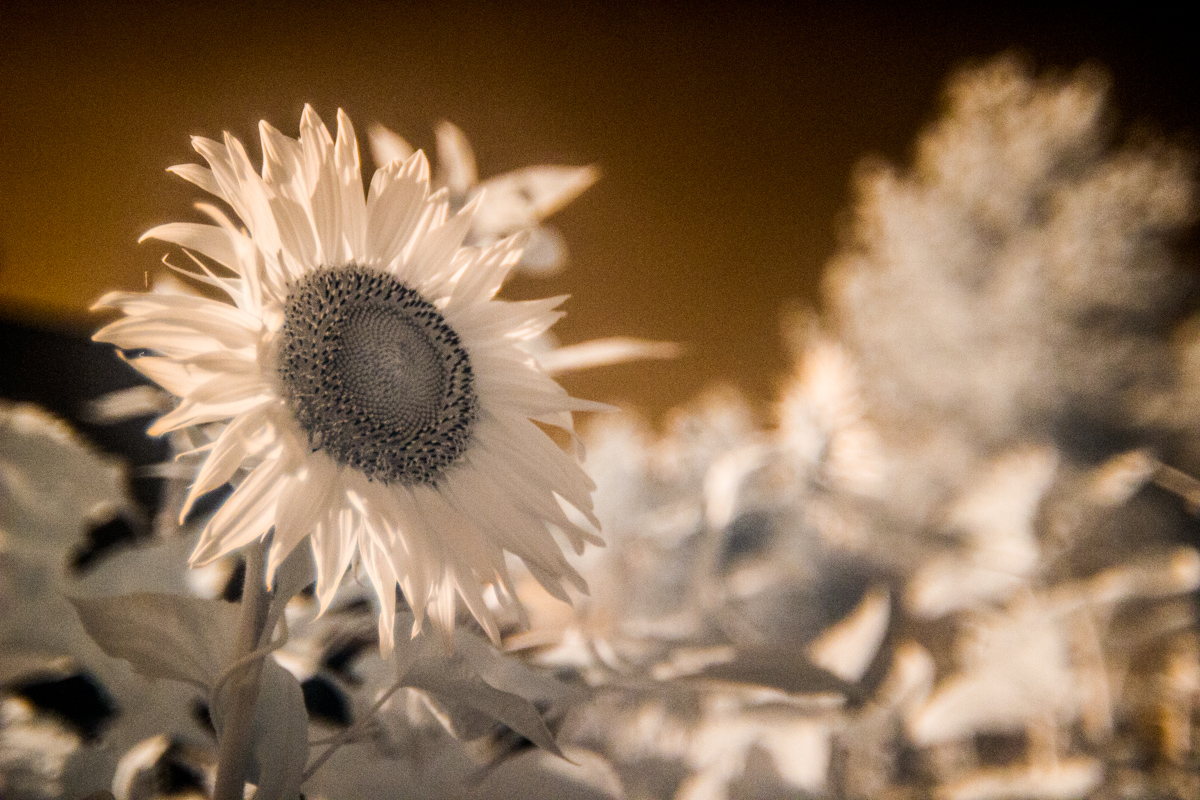 1/40 sec F1.4 ISO 100
  Youtube
 Facebook
 Instagram
 Linkedin